Interviewer: The last couple of days, you’ve had these meetings at the summit. What has resonated with you the most?
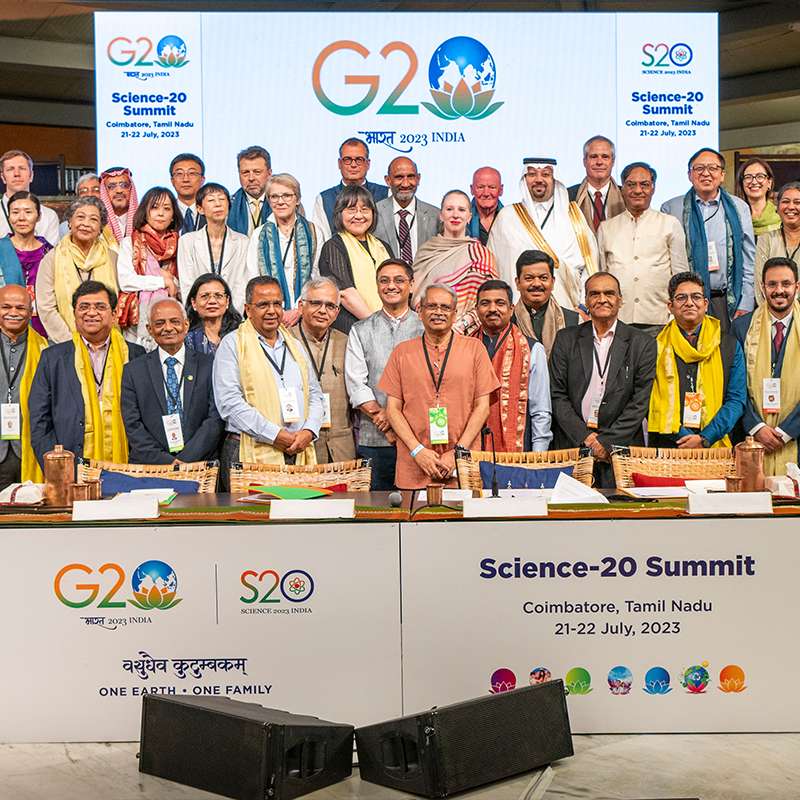
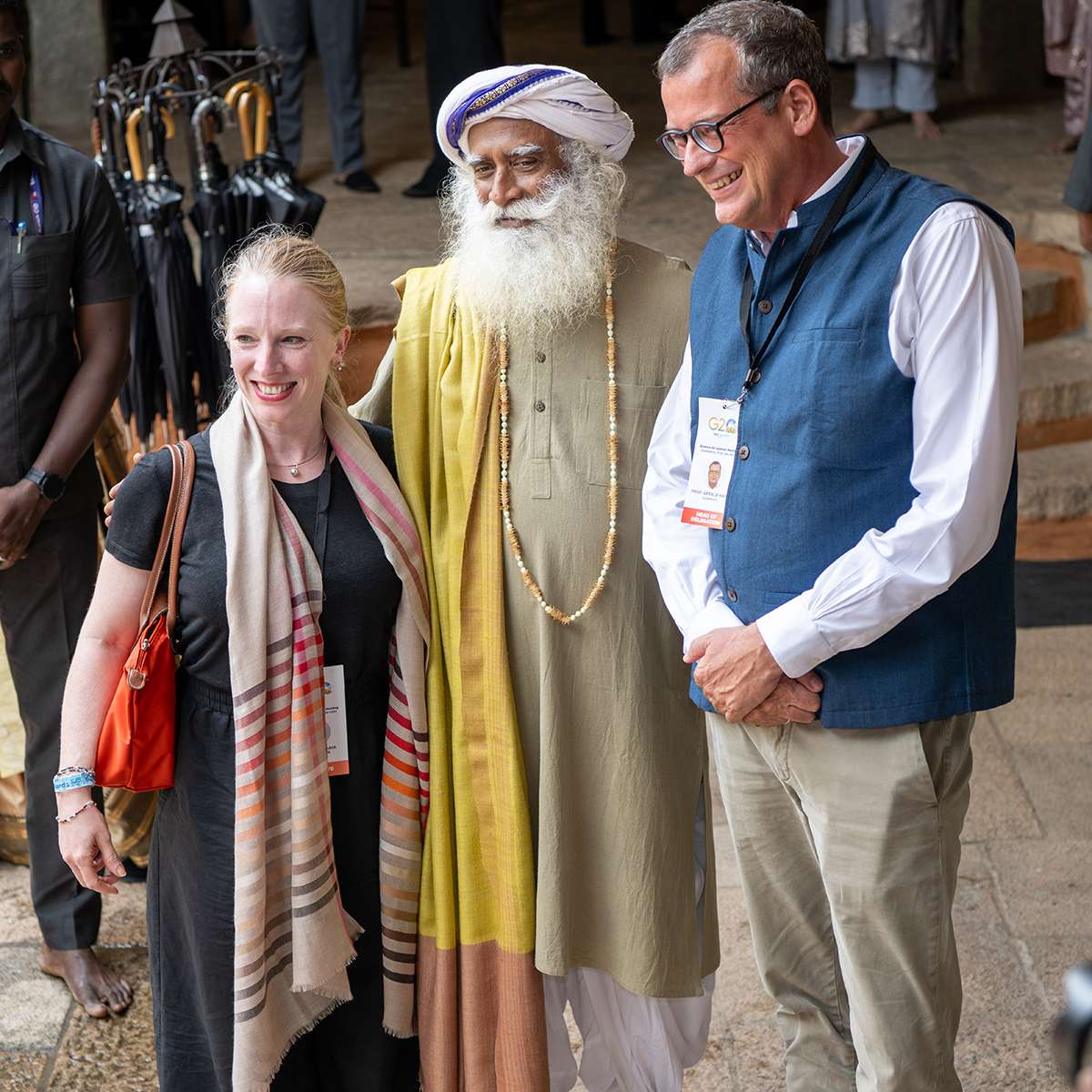
Professor Gerald Haug: It was the hospitality we received here. Scientists tend to disagree to come at the end to a very good consensus. I think we’ve achieved this. We have had three themes. One was the energy theme. I’m a climate scientist – climate and energy are directly connected problems. We talked about universal holistic health and science for society and culture, which was very important.
Interviewer: And how has your experience been of being at the Isha Yoga Center itself?
Professor Gerald Haug: I think I’ve never been in a place like this. I’m probably a dry rather than a spiritual person, but I’ve seen a lot of smiling, young people. The hospitality is absolutely outstanding. Yesterday, we had a wonderful presentation from Sadhguru. I could ask him a question on climate change, which he responded to very well. And of course, as a climate scientist, I also very much appreciate his impact and also the overall attitude here towards the environment. The soil initiative is something to be applauded. So, I had a wonderful two days here at the Isha Center.
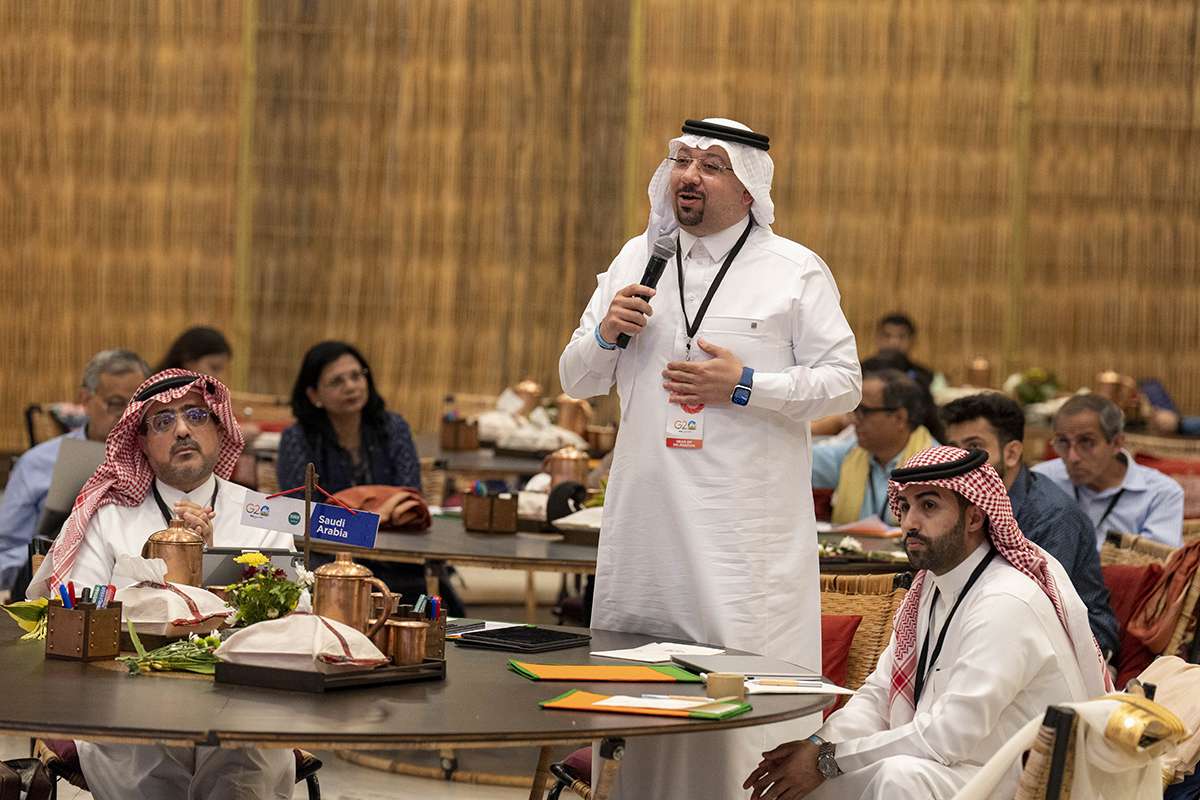
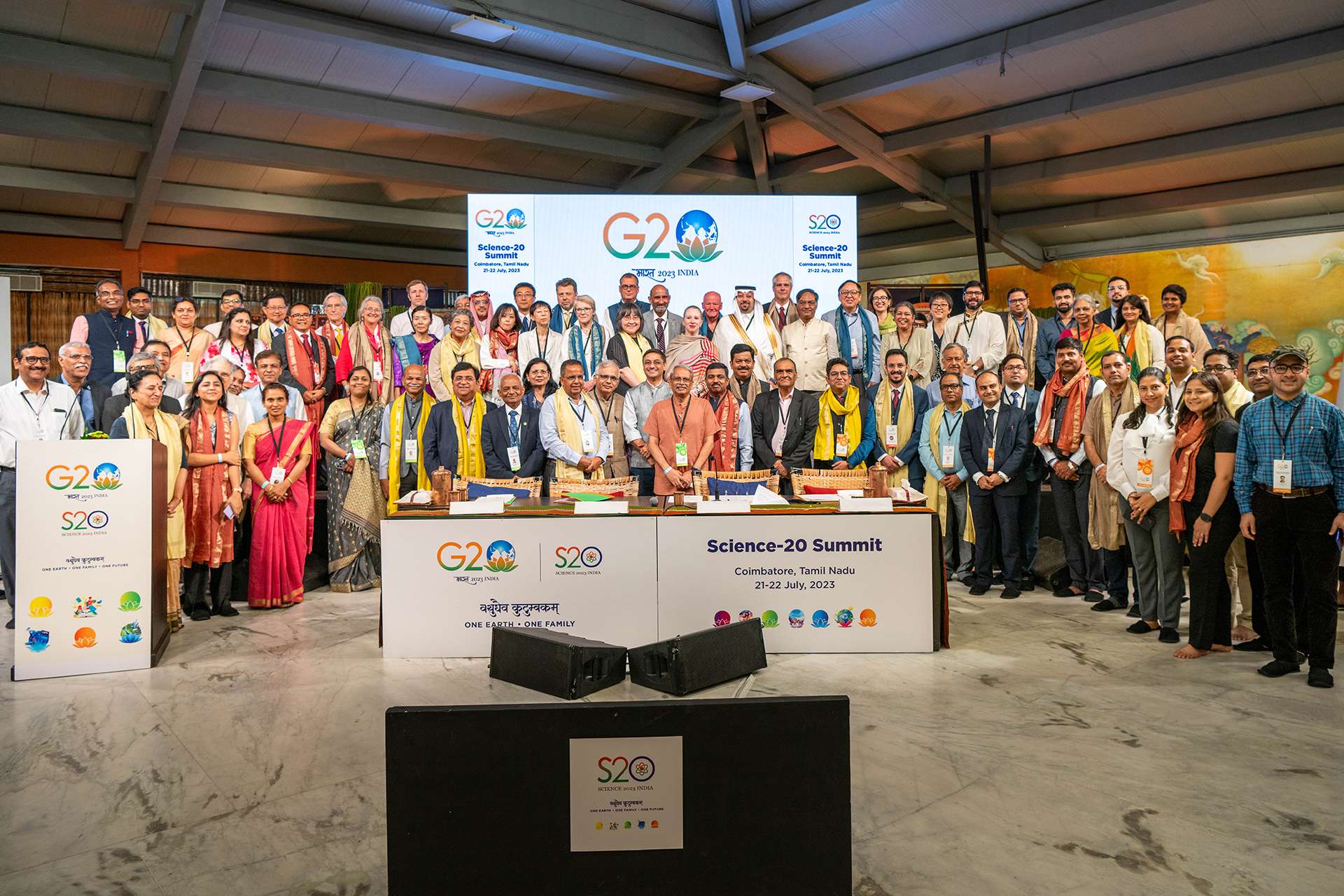
Dr. Munir M. Eldesouki: This is my second participation in the G20 in India. I’d like to send Saudi Arabia’s thanks to the Indian G20 Presidency. My experience in the previous meeting was phenomenal, but this one actually exceeded it. This was a unique experience from the moment we landed at the Coimbatore airport. They welcomed us in a very nice, hospitable way. Then of course the unique experience of being in this place, staying with the delegates in one location, we had a great opportunity to bond and to network with all of them.
The meeting itself is very important of course. We’re talking about key items related to science under the S20, going from environment to health and science for society. And of course, it’s a very unique, positive energy environment that we’re in. So, thank you again for hosting us. It was our pleasure to be part of this, and we look forward to seeing the Indian G20 presidency being a great success.
Interviewer: During the sessions, the theme of science and spirituality came up. How do you think it might have impacted the participants’ view on finding solutions to all the challenges humanity faces?
Dr. Munir Desouki: Well, the theme of the Indian presidency is “One Family.” So, coming together, and thinking about how to address these challenges in a place like this, I think for some may be eye-opening. Of course, there are people who look at these types of topics as pseudoscience. But the way these presentations and topics are brought in, it was a very nice mix. Overall, you can hear from the people celebrating outside, it’s a very positive energy. So again, congratulations on a very successful event, and I’m sure you have a lot more coming.
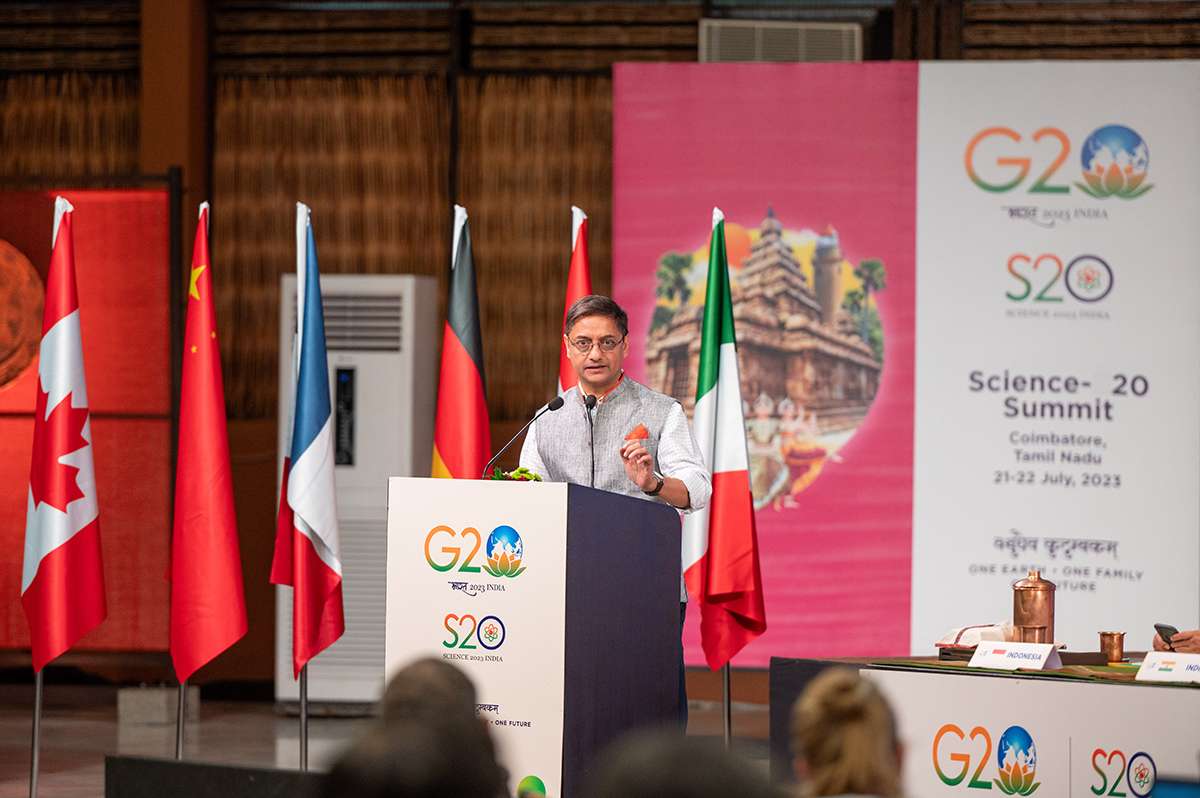
Sanjeev Sanyal: It’s been an absolutely fabulous experience attending the Science20 conference here at the Isha ashram. Obviously, it’s a beautiful place, but of course the warm hospitality that we’ve received was also wonderful. I’ve been here many times before, and I always enjoy coming here.
Interviewer: We’ve been witnessing a unique confluence of science and spirituality. Do you see a paradigm shift in the way the world is now approaching wellbeing?
Sanjeev Sanyal: I think there’s a better appreciation these days that dry science in the old way has its limits. And certainly, thinking about life in general, not just narrowly about science, requires an understanding of a wider set of things. Consequently, the Isha ashram is an interesting place to hold the Science20 meeting, where a somewhat more holistic view can be taken.
Interviewer: How do you see India’s future economy being influenced by emerging technologies and resources?
Sanjeev Sanyal: The Indian economy is now already the fifth largest economy in the world. In a few years’ time, it will be the third largest economy in the world. Naturally, we have to be at the cutting edge of many of the emerging technologies, whether it’s artificial intelligence or genetics or many other fields. And of course, this has a huge impact on the future of jobs, on exports, and many other things. So clearly, this is something that we need to pay a lot of attention to. We need to get a next generation of entrepreneurs, scientists, and thinkers to be at the cutting edge of much of this.