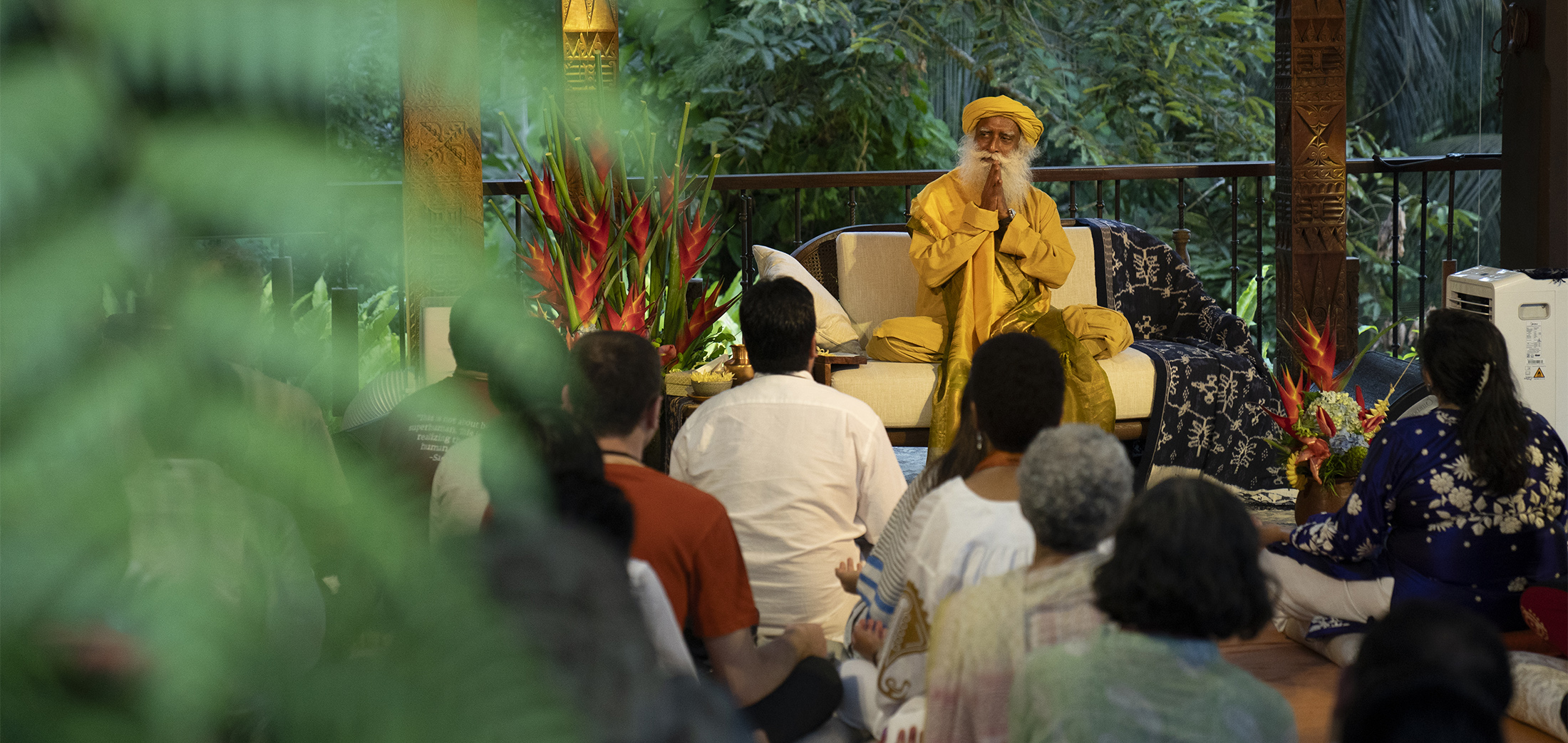
As we observe Buddha Purnima this month, we invite you to explore the transformative legacy of Siddhartha Gautama’s enlightenment. In this article, Sadhguru shares his perspective on the Buddha’s teachings, highlighting their vital relevance for our modern struggles with loneliness and mental health. Rediscover the timeless wisdom that nurtures a path of consciousness and wellbeing.

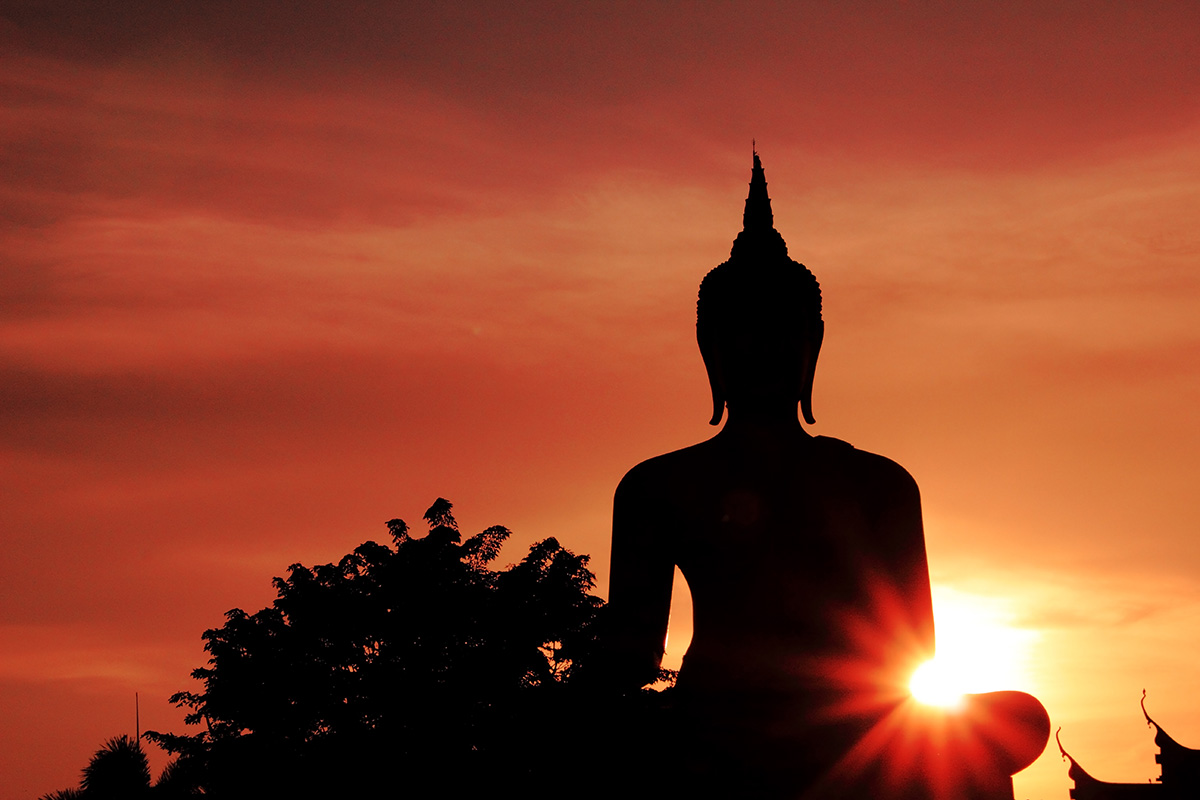
Sadhguru: Buddha Purnima marks the day of Gautama’s enlightenment. After eight eventful but frustrating years, with the sadhana (spiritual practice) that he had taken up, his body had become very weak. Particularly in the last four years where he barely ate, he had become all skin and bones. On this blessed day, he sat under that now famous Bodhi tree.
He sat down with the resolve: “Today, either knowing will arise in me, or I will die here; I will not open my eyes, nor will I get up.” Once he had this resolve, he broke through whatever was holding him back and became an enlightened being. The remaining 40 years of enlightened life, he ceaselessly traveled. Over 2,500 years later, we are still talking about him.
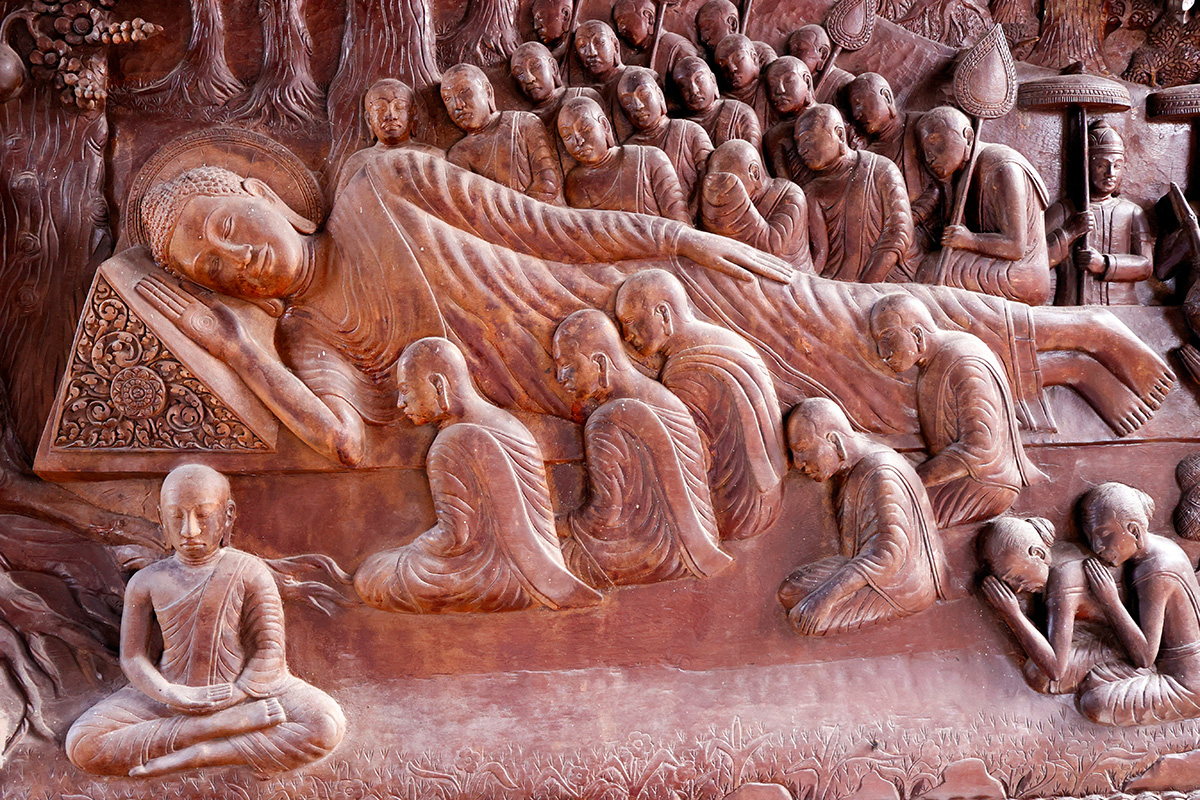
One important thing that Gautama did was that he introduced a very daring way to look at life: If you have mastery over your mind, your destiny is in your hands, and you can manifest what you want. He also spoke elaborately about Karma, saying that everything that is happening to you is a consequence of your Karmic cycle. Gautama broke social barriers, making his teachings accessible to everyone. You must either learn to go beyond this cycle, or you will remain trapped in the repetitive spin of Karma, continuing to engage in the same nonsense.
Gautama’s approach to the spiritual process was revolutionary in the sense that he made it available to everyone, irrespective of caste, creed, and other aspects. This has always been there in the Yogic system, but slowly, over a period of time, certain communities started dominating the spiritual process and would not allow others to access it. The knowledge was in the hands of a few people because knowledge was power.
Gautama broke these social barriers. He made his teachings accessible to everyone, particularly the lower classes who used to be barred from spiritual teachings, and the highest authorities who could help with the propagation. He did his PR well, which is very important. No matter what knowledge or things of value you have to offer, if you do not have the enterprise, they will not reach the world.
Spirituality needs enterprise right now. We have to find ways to touch the whole world with the spiritual process, rather than making it a fringe phenomenon. Like your parents taught you how to brush your teeth, they should naturally teach you how to meditate by the age of eight or nine. This is what he wanted to create.
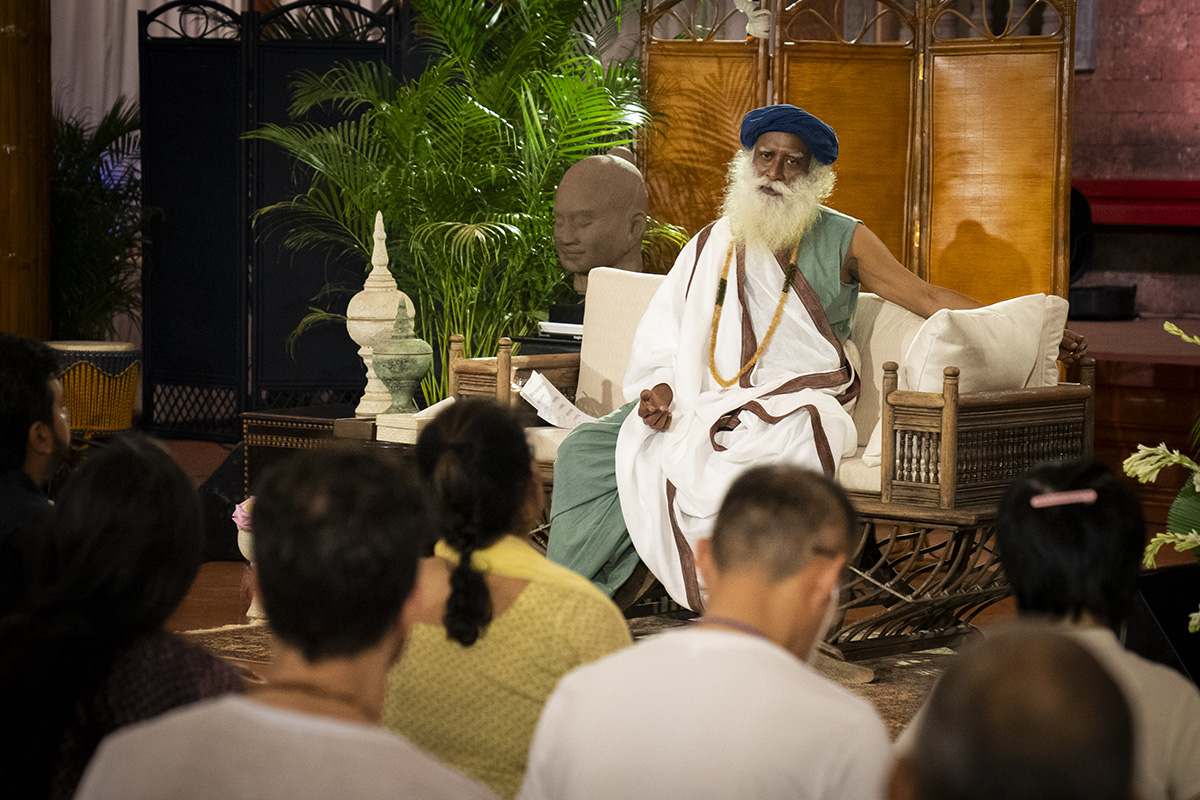
Gautama expounded on how the human mind can do the most fantastic things. What you consider as magic can be a daily affair if only you stand above the psychological process. In people’s perception, the largest aspect of his teaching is that if you stand above your psychological process, you can make your life magical. If you are buried in your psychological process, you can only be logical. But if you rise above that, you do not lose your logic, but you can live magically. For this, he created many methods that people started to experience, and it became a wave across that part of the subcontinent.
This was one of the important aspects that Gautama brought into people’s lives: You can take charge of your life if you take charge of your mind.
This whole process of rising above the mind means becoming a Buddha. Buddha is not his name. His name is Gautama Siddhartha. Buddha is a state of being. If you are above your intellect, you are a Buddha. If you are in the intellect, you are a non-stop suffering human being. If you are below the intellect, we can call you a buddhu[1].
As creatures, we were below the intellect. As humans, we slowly evolved into the intellect. If you want to evolve above the intellect, it needs a conscious effort.
[1] Hindi for fool.
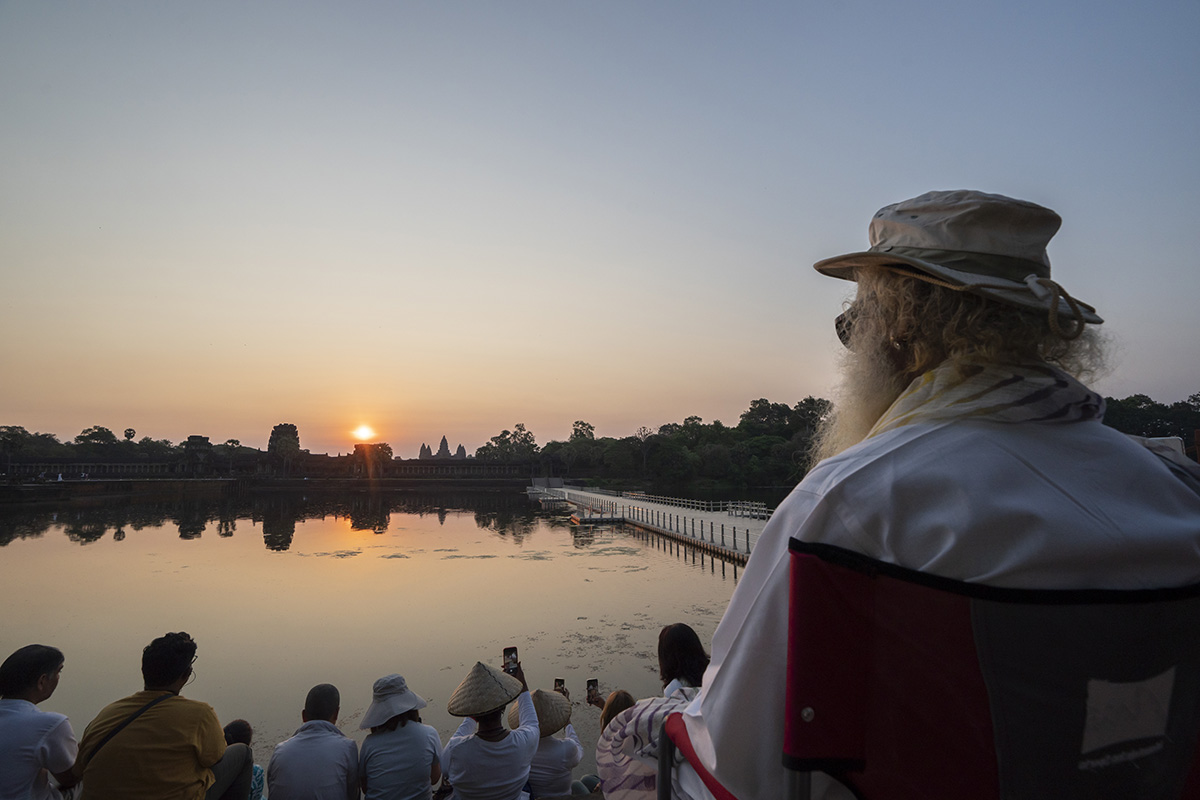
Gautama’s teaching and the aspects of Yoga that he focused on are very important in today’s world. Recently, the Surgeon General of the United States cited a study that one in every two Americans is lonely. If 50 percent of the population is lonely, you have prepared a fertile ground for serious mental ailments.
Even between lovers, husband and wife, in families, and among friends, people are lonely. In a world with over eight billion people, you are lonely? I wish there was some place which was a little lonely. Wherever you go, there are people.
Still, now 50 percent of the people are feeling lonely. A few weeks ago, the CDC[1] announced that, among teenage girls, one in three are depressed. When we were growing up, teenage girls used to be bubbly and giggly for no reason. Now one in three teenage girls are depressed. It is like the storm clouds have gathered, but we ignore them until we get soaked. Soon, there will be a depressed person in every house. It is just a question of time.
People are talking about a mental health pandemic. This is not a joke because human societies across the world are working hard, at a great cost to every other creature on this planet. If we are still living like any other creature, ruled by situations around us, then we have no business to be doing all this. So, a time has come where we must rise above our intellect. Otherwise, mental ailments are a natural outcome.
If you are stressed with work, the solution might seem simple: You could get fired and be joyful. But if you actually got fired, you would likely be even more stressed. If you are stressed in your marriage, would you be joyful if you got out of it? No, you would probably be even more miserable. It is like this with everything.
The problem is not the situation; the problem is that you are not able to rise above your own psychological process. There is no element of Buddha in you. If you were a buddhu, at least you would be pleasant. But now you are caught in the storm of your psychological process; everything freaks people out.
[1] Centers for Disease Control and Prevention, a US government agency.
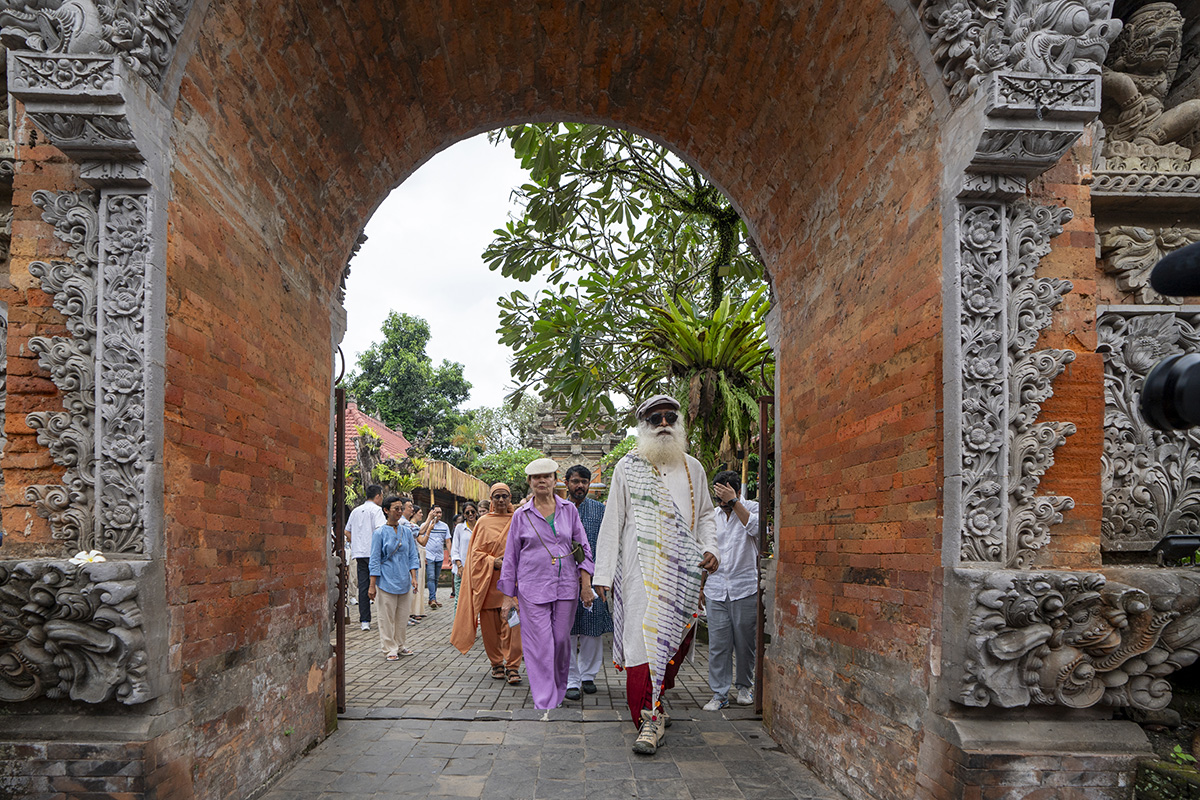
We are trying to make survival easy in the world. When the economy is doing well, it means survival is not a challenge. When survival is not a challenge, it is the best time for human beings to establish themselves. But where survival is not at all a challenge, people are freaking out completely. It is time to change this. It is extremely important that human beings learn to rise above the mind.
Gautama reached out to the kings to make an impact, and today we have technologies to reach the entire world. Through the Save Soil movement, we have touched over four billion people. Now that their minds are a little open, I do not want to leave it there. We must make them meditate. Because without conscious human beings, neither the soil nor the sky will be fixed.
The way in which human beings use their power and technology, and how consciously we live, eat, walk, breathe, reproduce, and die will determine how everything will be. I want all of you to take this resolve within yourself. We must create a Conscious Planet.