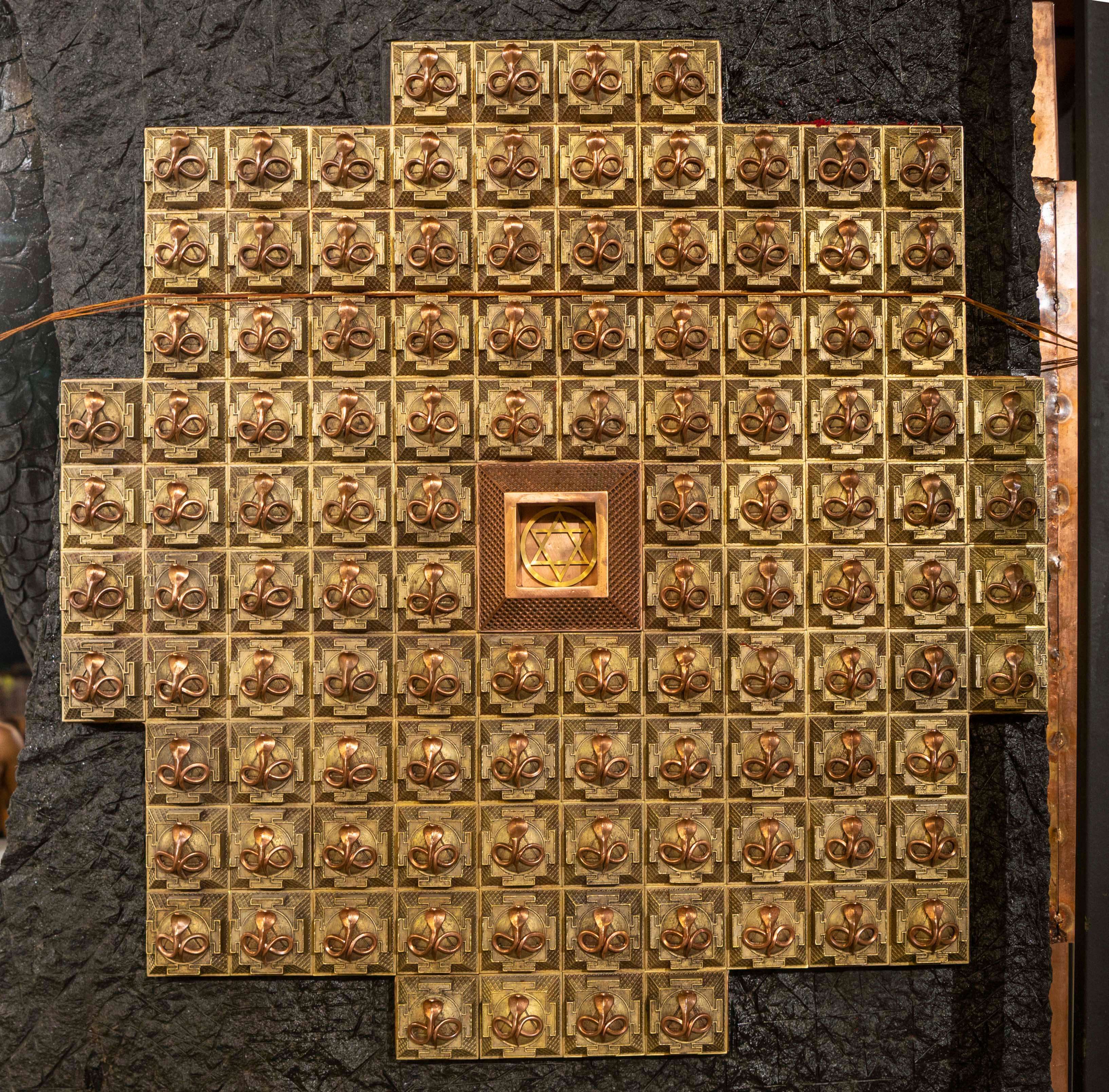
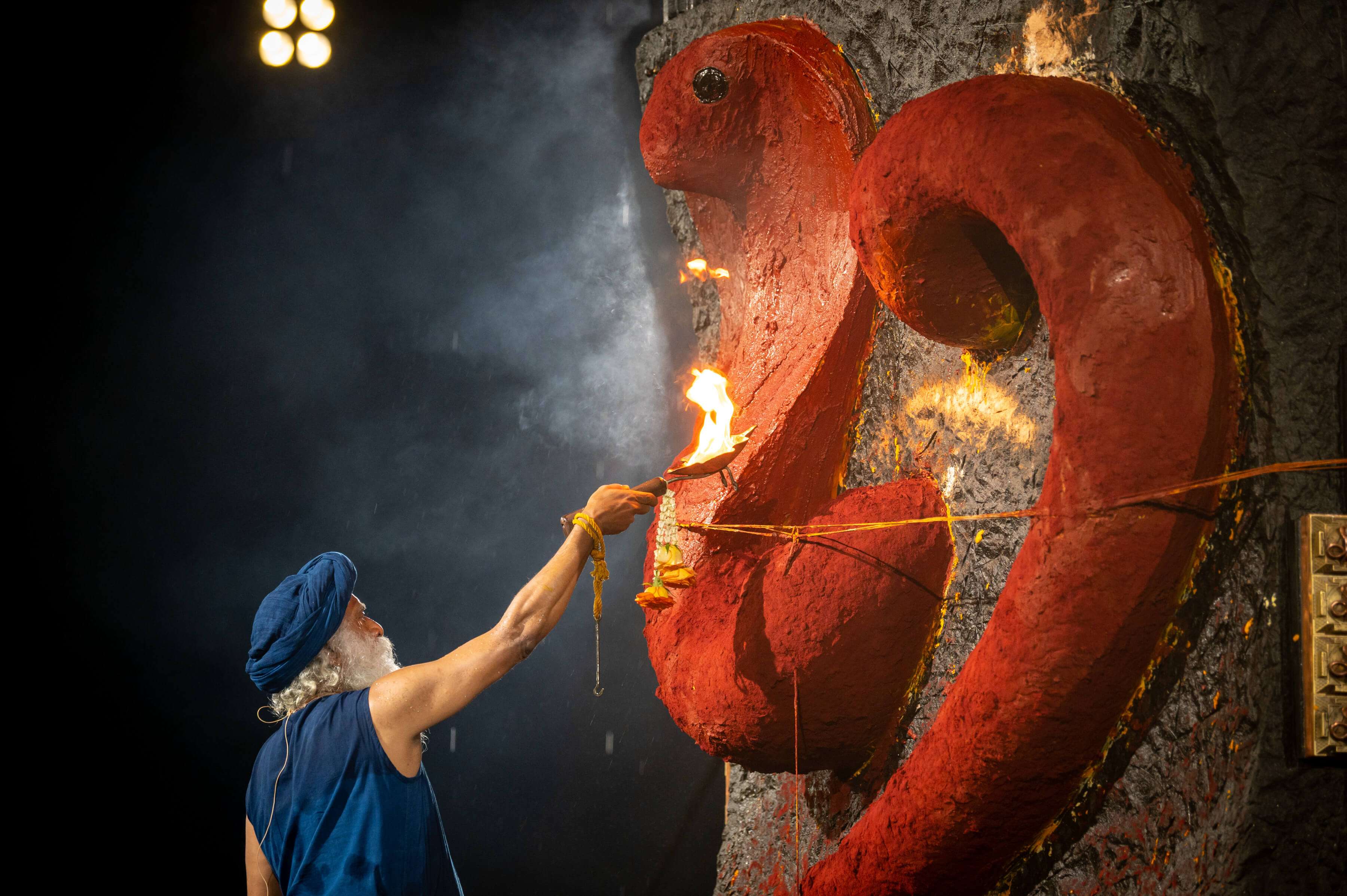
Sadhguru: On the sides of Naga, there are 112 Kala-Sarpas. In Yoga, the words “Naga” and “Kala” are used synonymously. Why would snake and time mean the same thing? Time as we know it in our experience – in terms of seconds, minutes, hours, days, months, years, decades, centuries, and millennia – is essentially an outcrop of an infinite space whose nature is timelessness.
So, Kala and Naga mean the same in Yoga, and the cobra or snake represents time. Our sense of time is based on the formation of the solar system. If the planet spins once, we call it a day. If the Moon goes around the Earth, we call it a month. If the planet goes around the Sun, we call it a year. Our understanding and sense of time is based on the planetary movements in relation to the Sun. Our solar system is our real clock. All the other clocks are just an imitation of that.
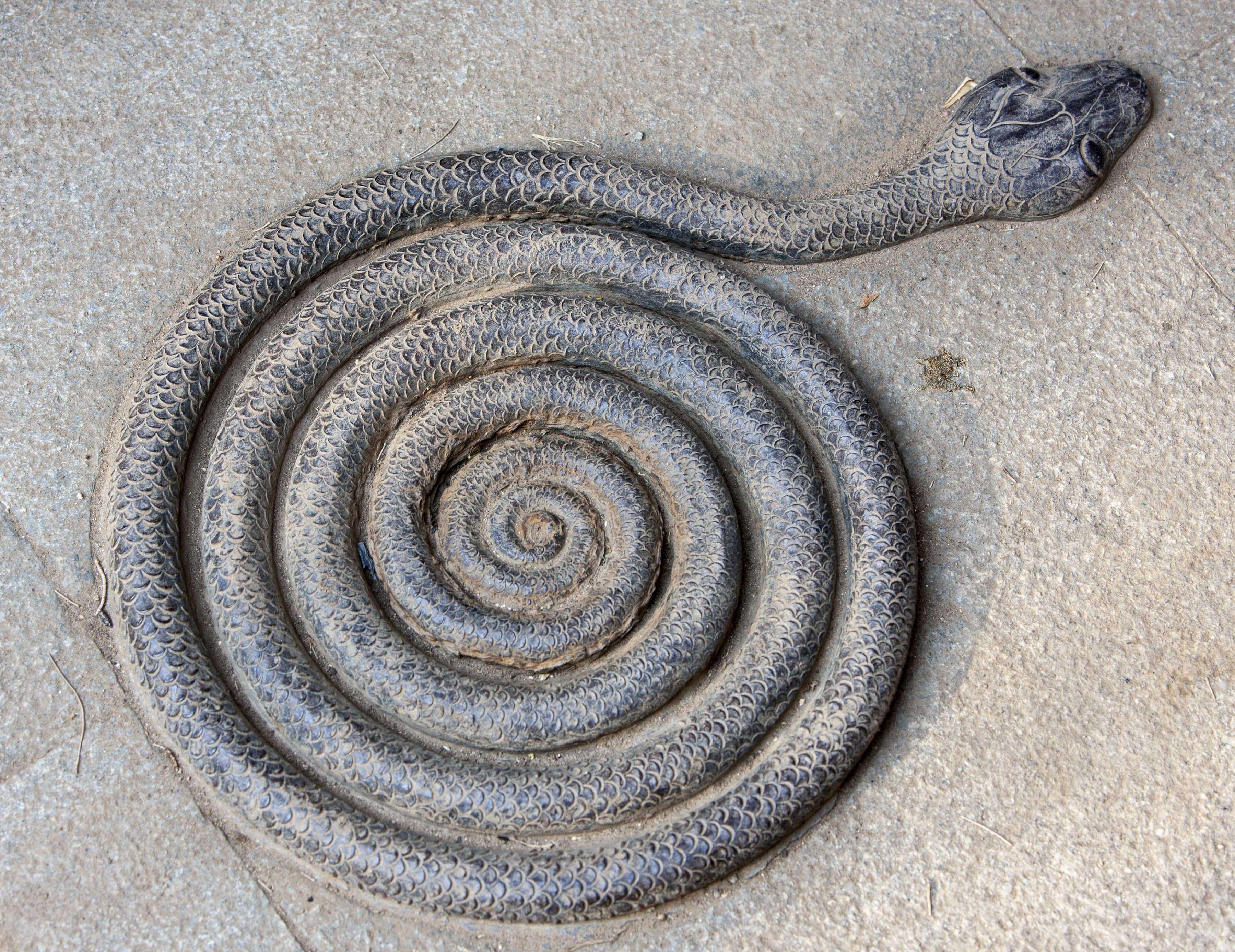
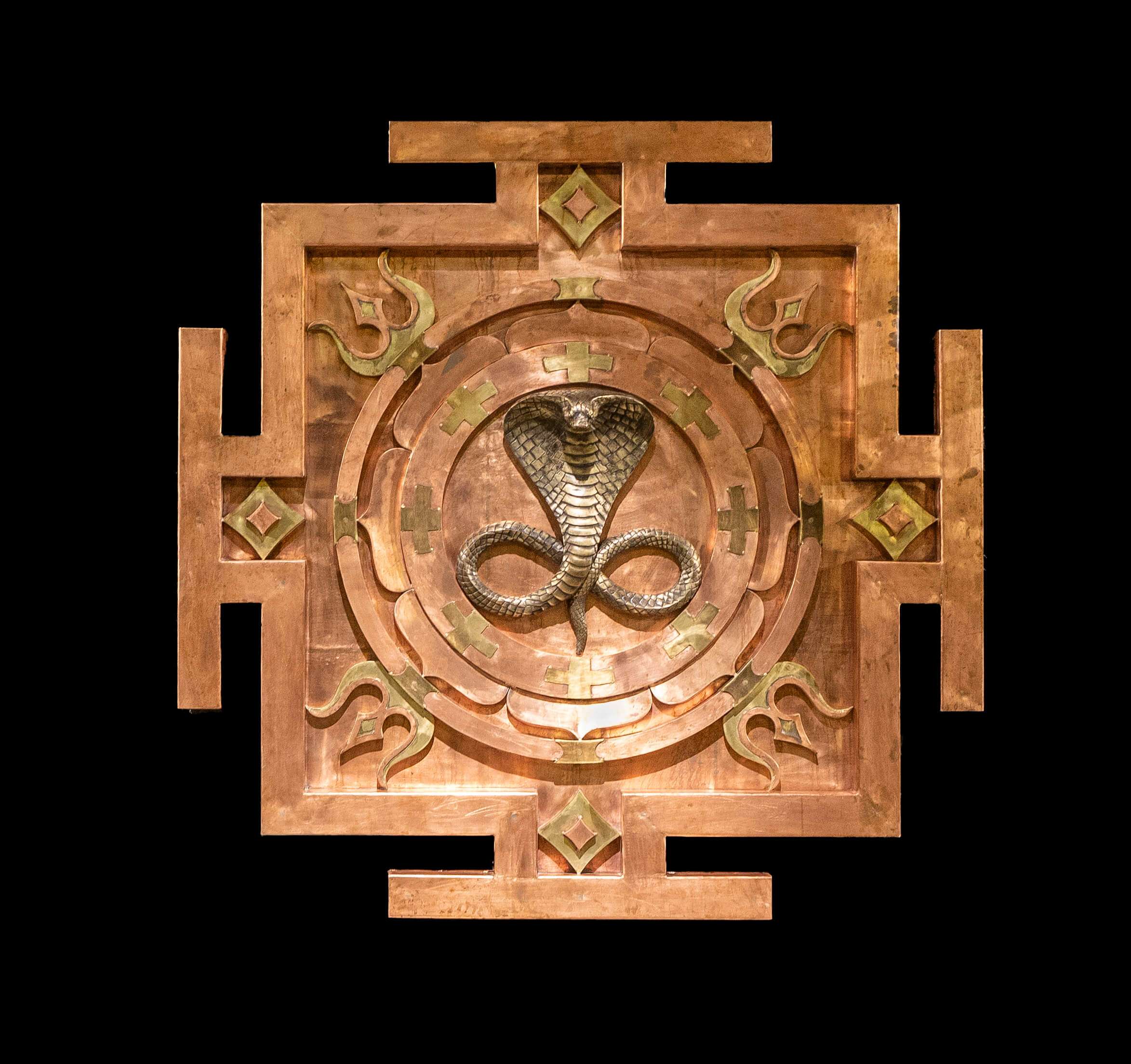
How did the solar system become our clock? The way scientists try to explain it today is fortunately somewhat in line with the yogic perception of time. In the yogic perception of time, the planetary system coiled out from the Sun. Those of you who have been to the Spanda Hall may have seen at the entrance, there is a coiled-up snake. This is the symbolism of how the solar system manifested itself.
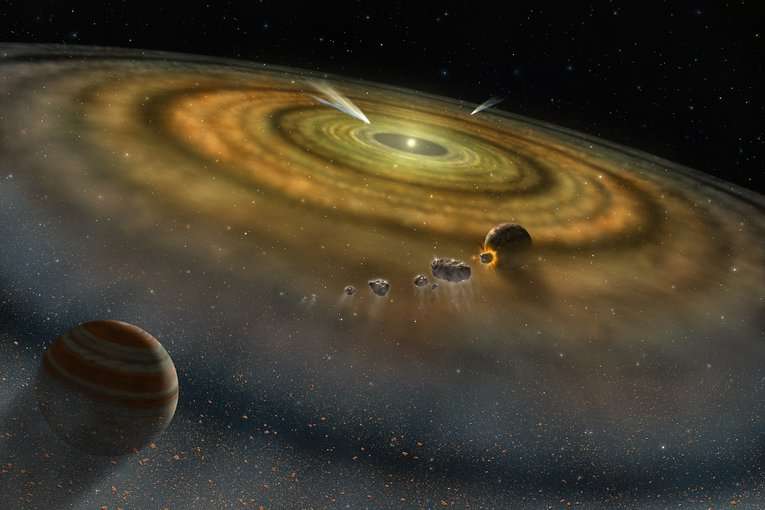
Similarly, modern science explains the formation of the solar system in terms of a nebula or a huge cloud of gas and dust which contracted due to gravitational forces. Eventually parts became solid, and only those planets which successfully found their orbits and cleared their pathways are still there. The rest of them have shattered or have burnt out. Generally, this is the theory of how it happened. So, it is like an uncoiling of a snake with the head in the center.
You may have heard of a certain snake called Ananta. Ananta means eternal. So there is a snake that represents eternity. This is why the Kala-Sarpa is in the form of an infinity symbol, representing the eternal. And there is another snake which is called Shesha Naga.
When creation collapses, when galaxies collapse, there will be some residue left – that is Shesha. If you have learned mathematics in a local Indian language, you would know Shesha is the remainder, that which is left over. So Shesha Naga is one who is left over from previous creations.
One who is left over is very vital for the next creation to happen, to have some kind of information that can go into the making of the next creation. When we say creation, we do not just mean mean a universe, galaxy, or planetary system – we mean everything. Everything that is created collapses at some point. In that, there is a Shesha or something that is a remainder, which becomes the basis for the next creation. Right now, this is the 84th creation according to the yogic sciences.
We have not arrived at this number by looking at what is happening in the galaxies and cosmic spaces. We have looked into oneself. By looking into oneself, we see there is a record of 84 creations. That is the Shesha in us, the reminder in us that there have been 84 creations.
How many more creations can happen? Up to 112. Beyond that, the creation will not be of physical nature but of pure energy form. This is what we mean by saying only 112 chakras are physically manifest, the rest are above or beyond the body, which means they are beyond physical nature. When it comes to future creations, we are not talking in terms of years, centuries, millennia, or even millions of years. It is probably many billions of years. After we complete 112 physical creations, creation will be purely energetic. Everything will function by energetic process, not by physical presence.
So, these are two important aspects of Naga: One is Kala, and in that, there is Ananta. The other one is Shesha. There is a third aspect of Naga called Karkotaka – we will go into that later.