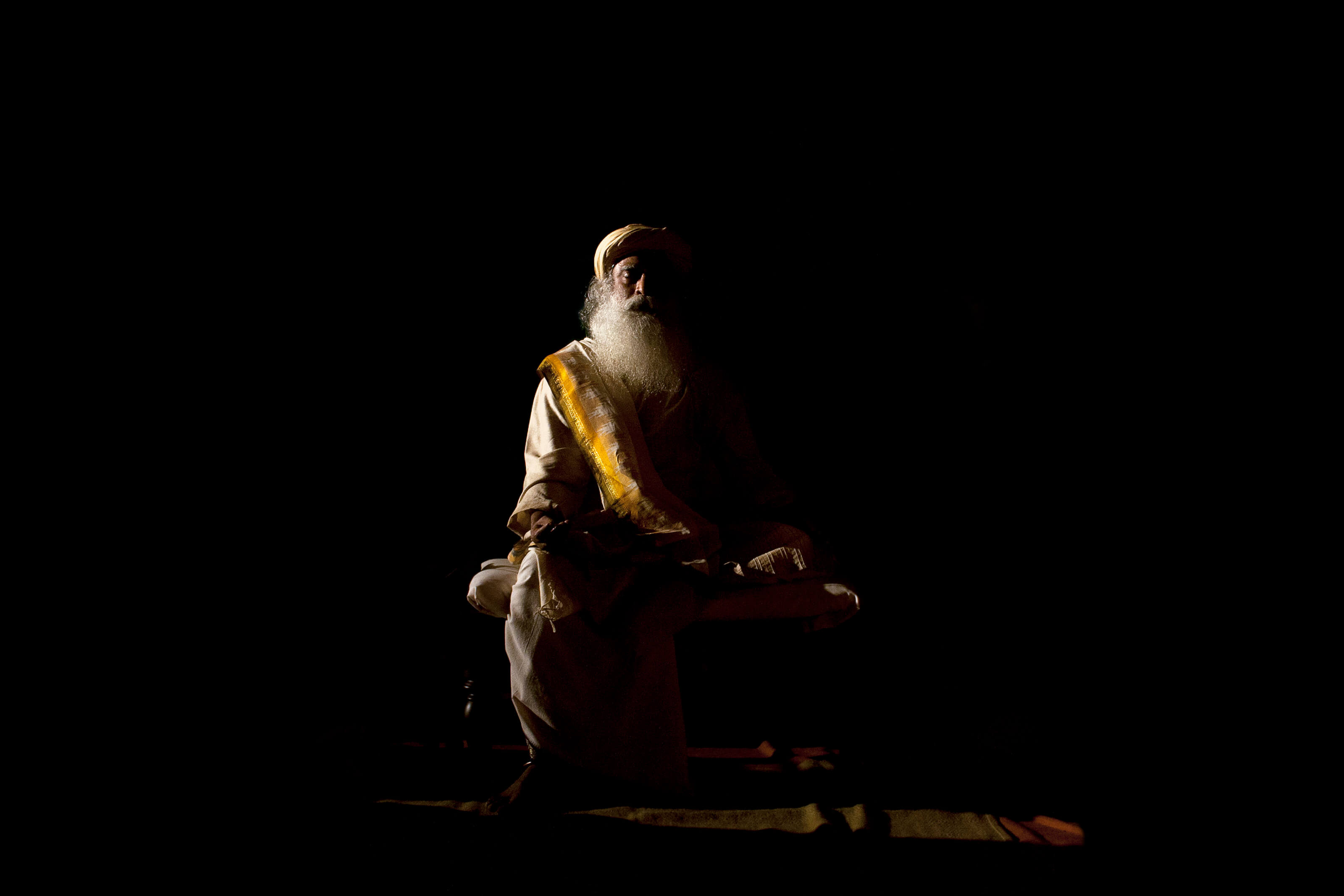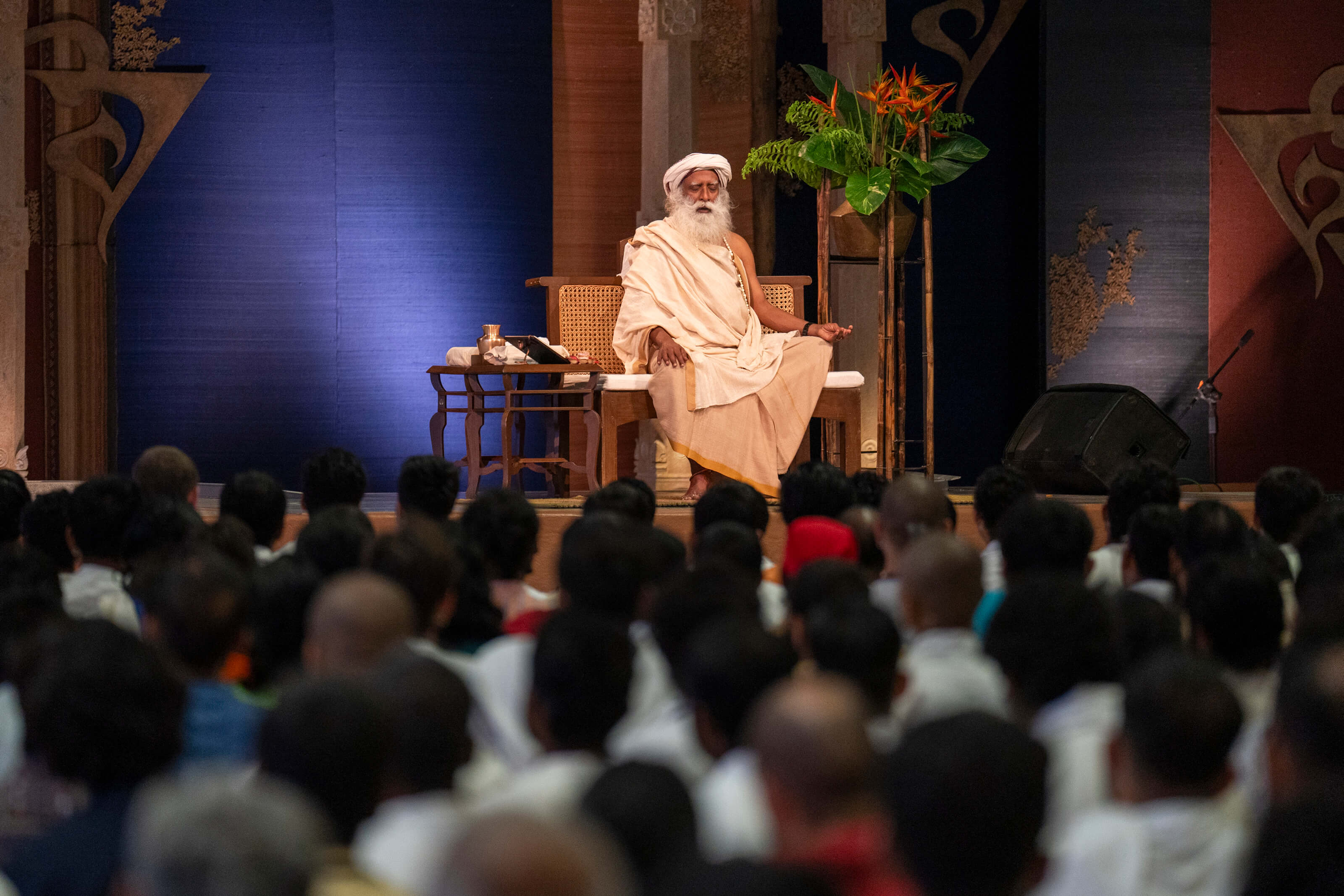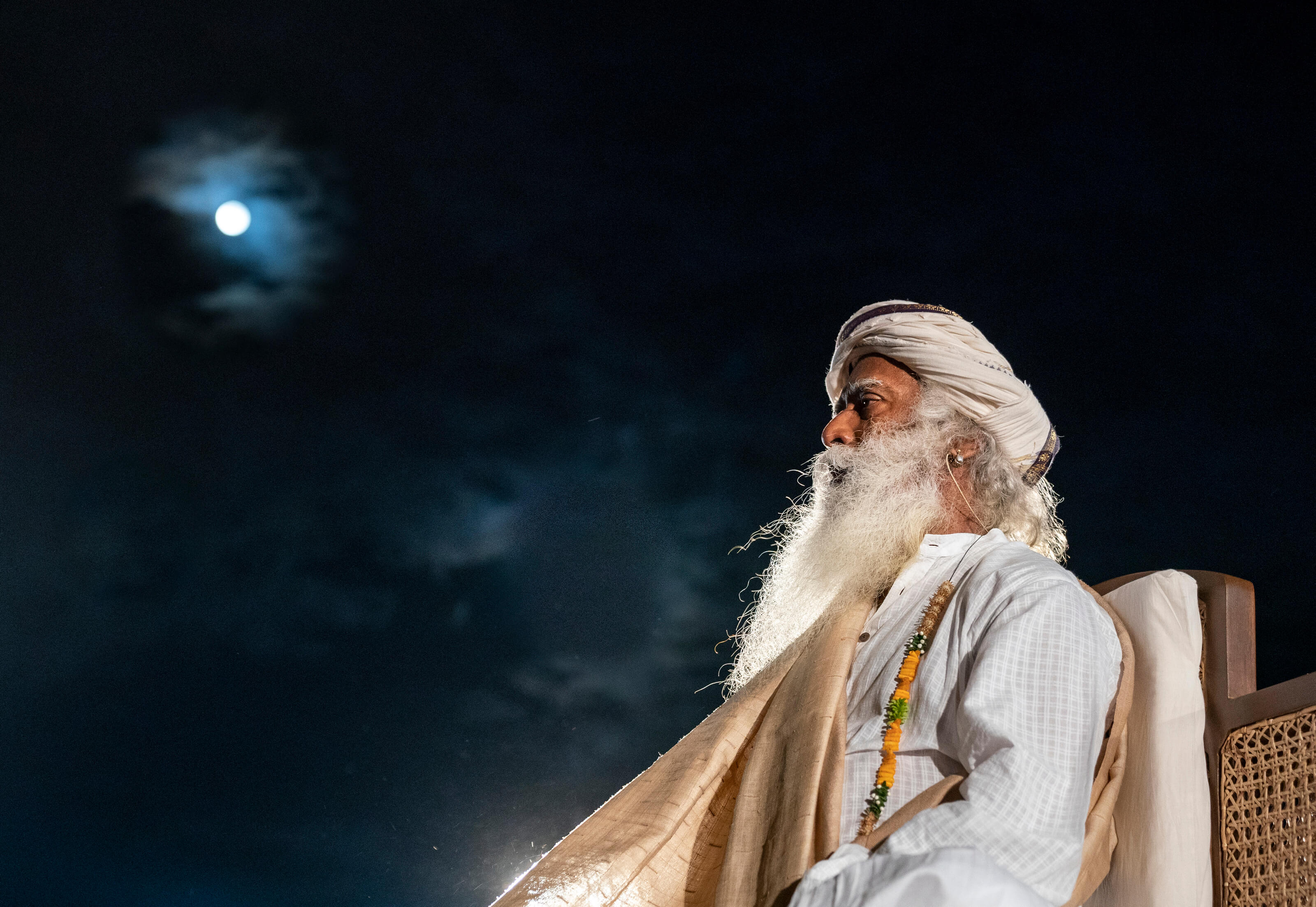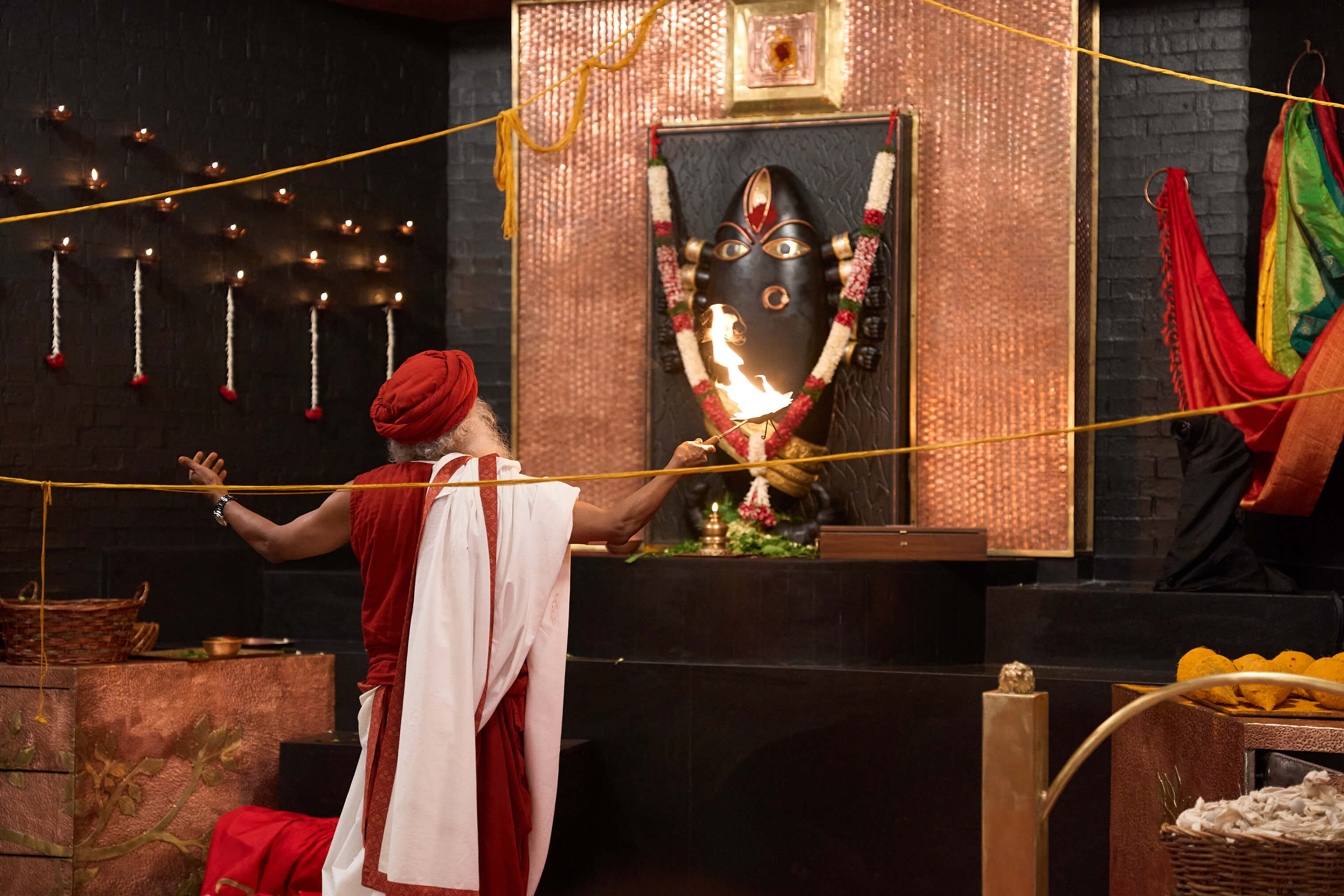

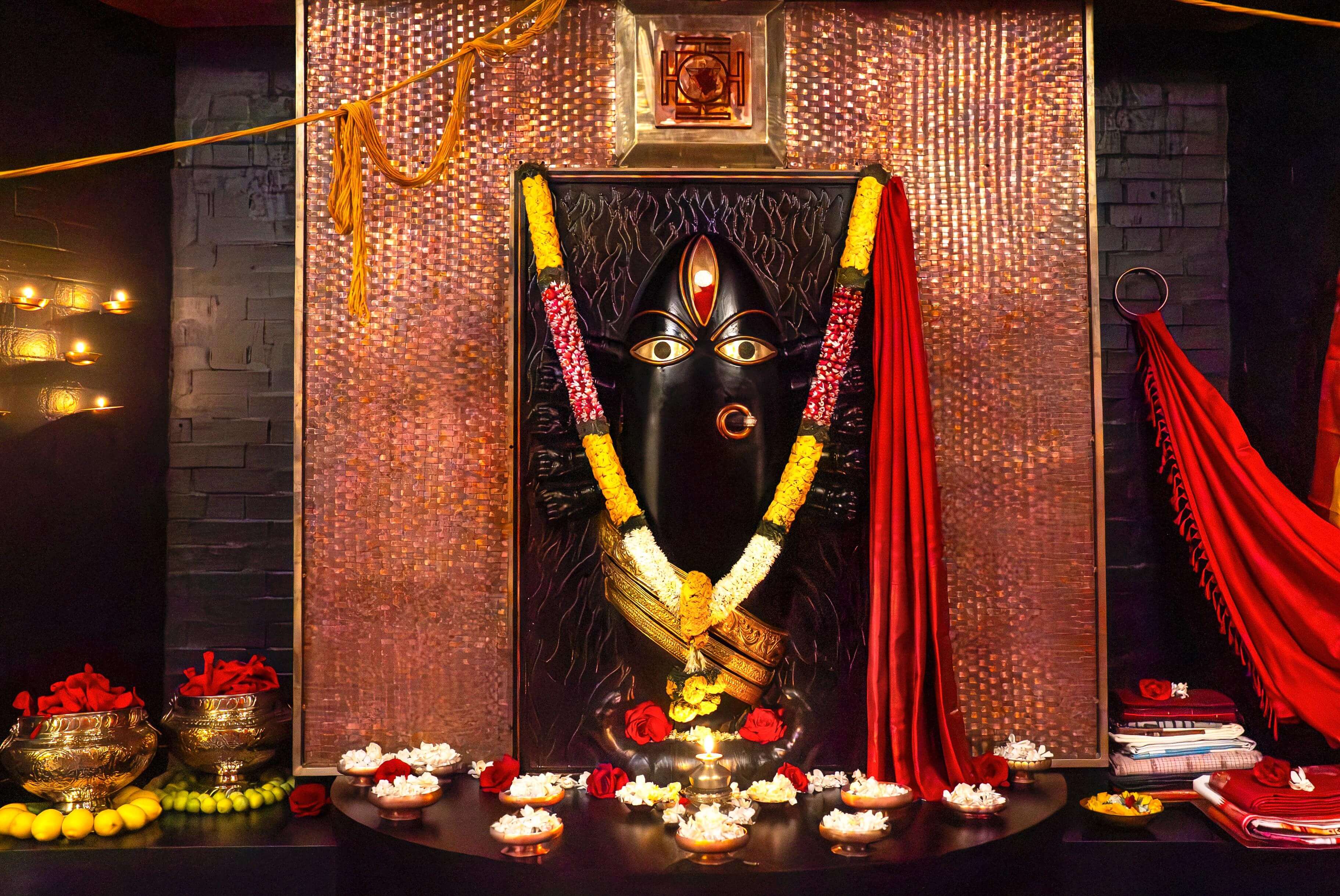
From 9 to 13 May, Sadhguru consecrated Linga Bhairavi at the Isha Institute of Inner-sciences, Tennessee. Linga Bhairavi is the ultimate manifestation of the Divine Feminine – the first of its kind in the Western Hemisphere.
Over 3,600 meditators had the rare privilege of witnessing Sadhguru conduct the prana pratishtha, a mystical consecration process that uses life energies to transform mere stone into a deity.

Devi arrived at the Isha Institute of Inner-sciences, Tennessee, USA.
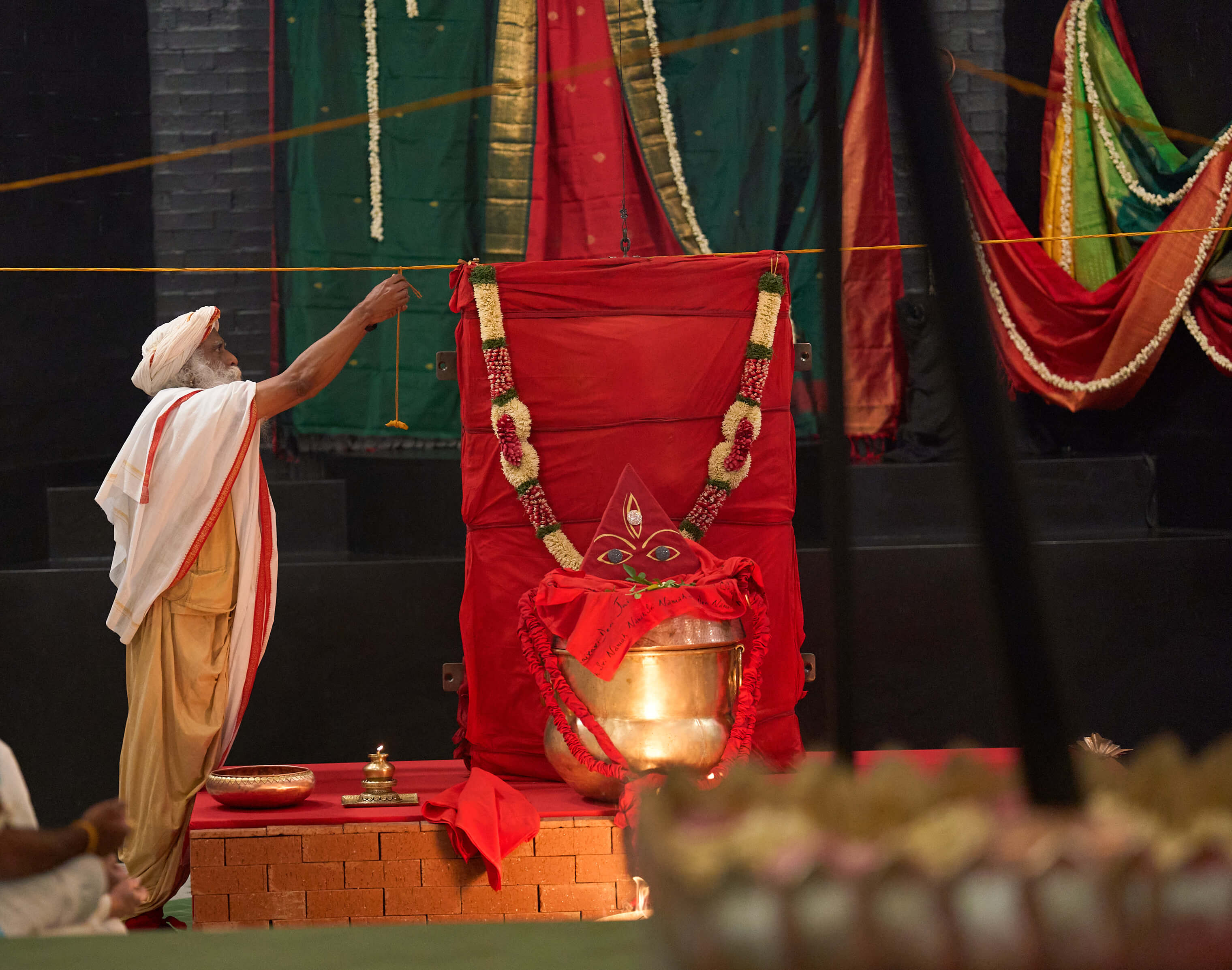
Before the consecration began, Sadhguru carefully prepared the sanctum.
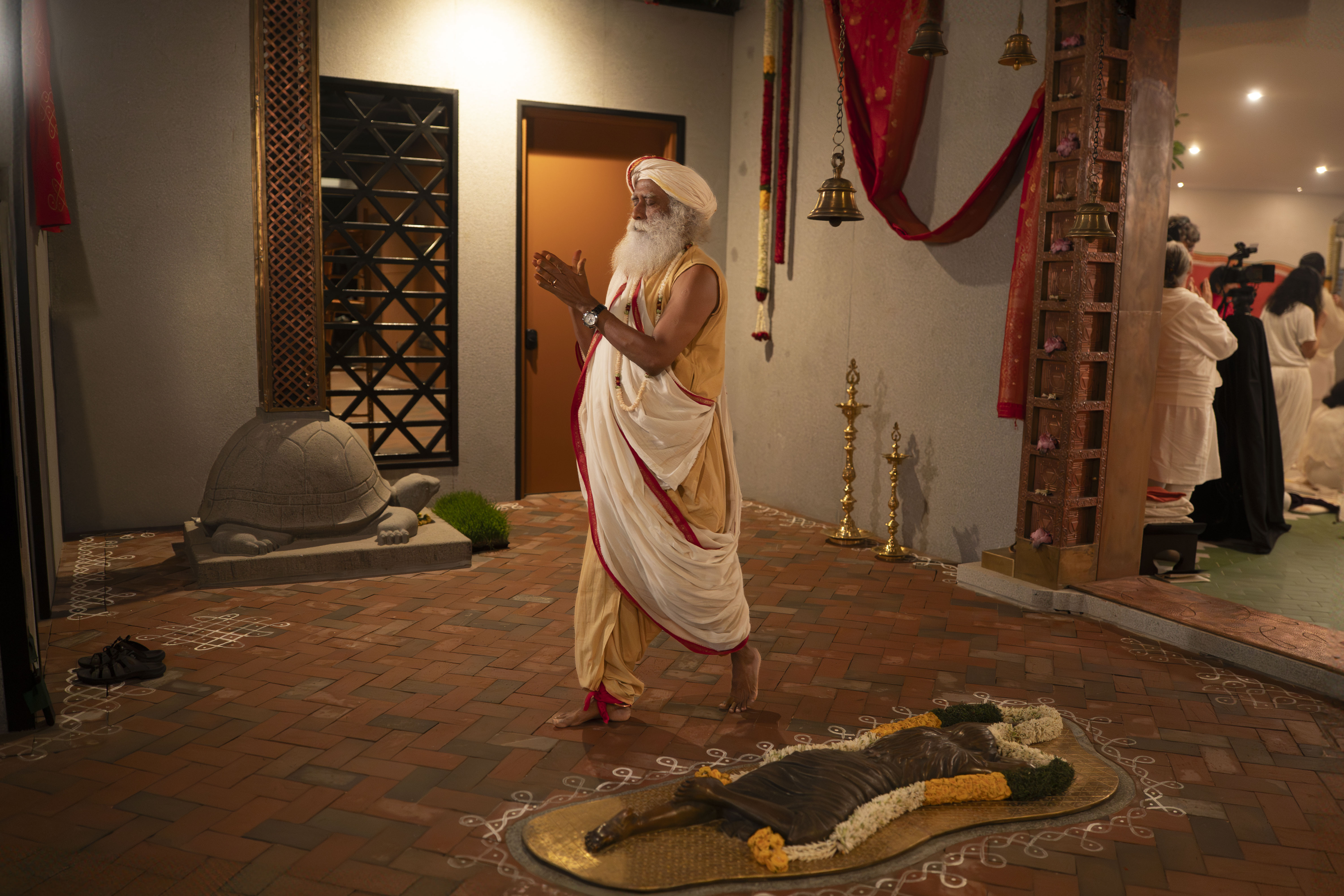
In the first session, Sadhguru urged participants to throw themselves into the process with total involvement and willingness. Drawing parallels to life’s pursuits, he emphasized, “Nothing in your life has been created without throwing your life in some way.”
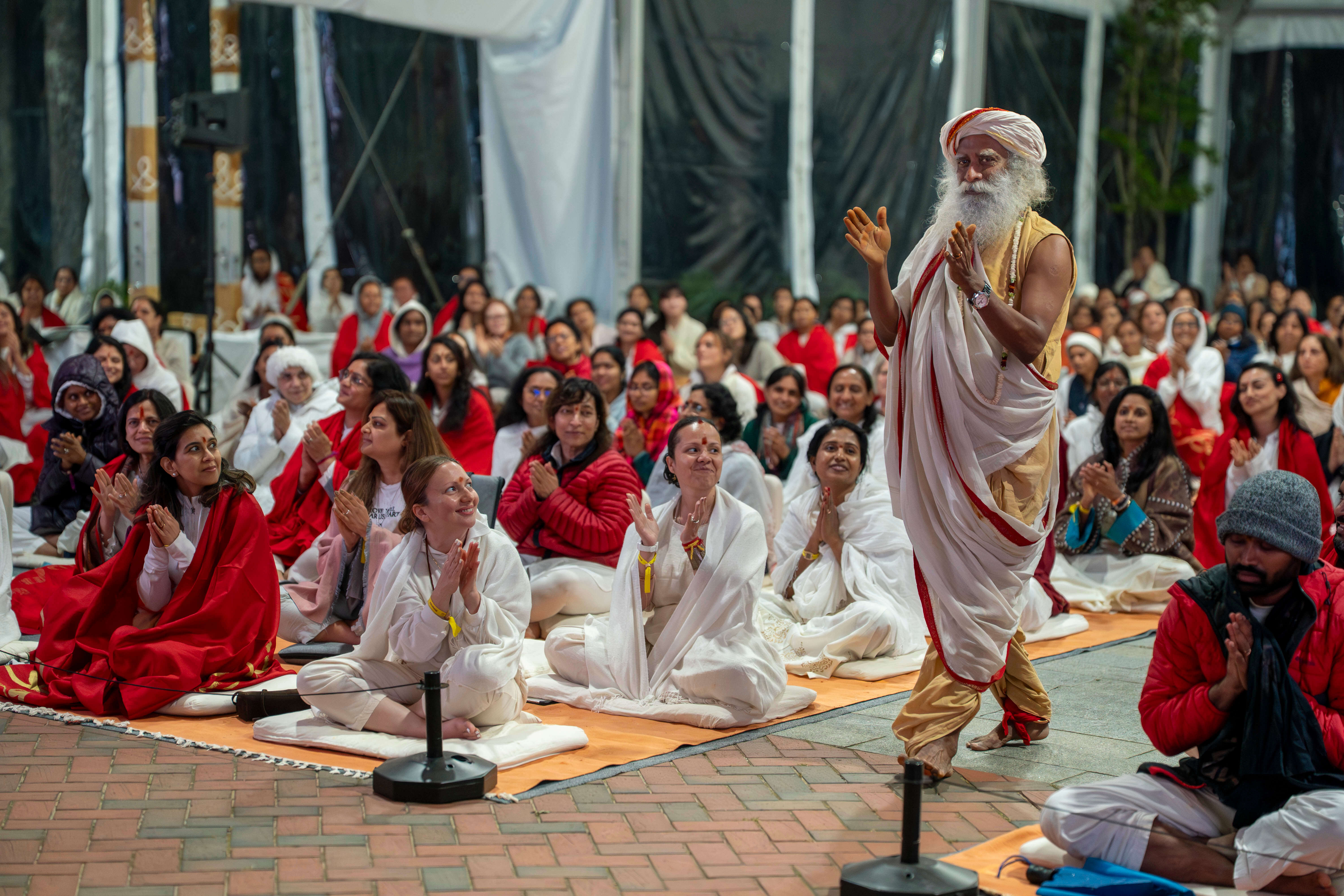
Sadhguru described Bhairavi not as someone to be intellectually dissected, but as a living presence to be experienced fully and intensely. “Bhairavi is a woman; you are not supposed to understand,” he remarked jestingly, inviting everyone to go beyond analysis and become truly available to Bhairavi’s energy.
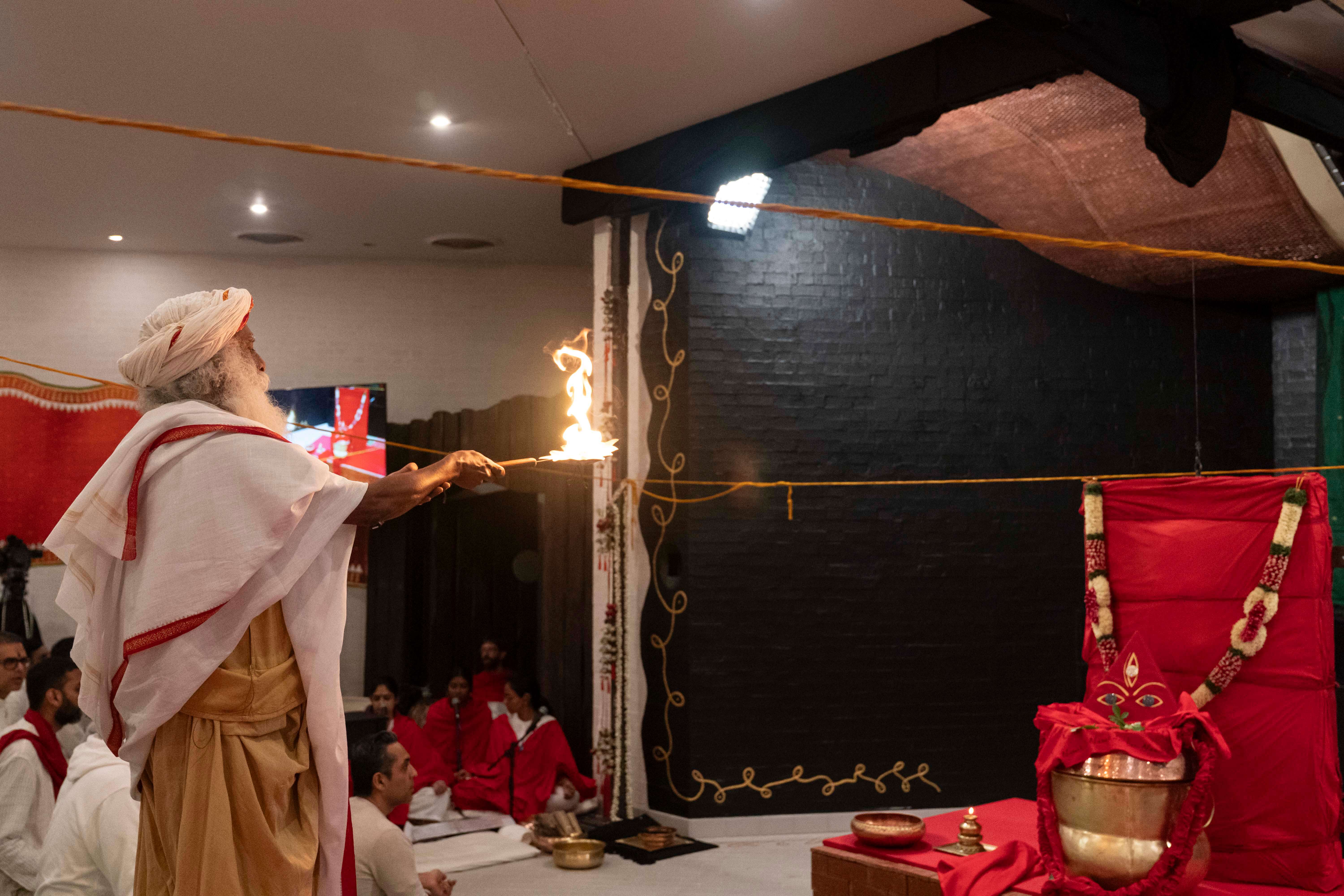
A key aspect of Linga Bhairavi is Bhairavi Rakta Shuddhi – purification of the blood from ancestral imprints. “Too many people who died long ago still live in your blood. If you do not filter them out, you will never know what your life is because those who came before you keep living through you without your permission,” he said.
Sadhguru invited everyone to move from searching for the divine to becoming receptive, as it is not about finding something lost, but unlocking what is already within.
The session culminated in a potent practice of stirring up dormant energies within, a process Sadhguru described as essential for unlocking our potential. This practice was specifically related to Devi, who represents the power and grace of the feminine. He explained that Devi “brings the fear of death and the fire of life into you at the same time.”
Sadhguru challenged attendees to look beyond surface-level pursuits, emphasizing that true growth lies in seeking transformation rather than merely accumulating experiences. He warned against the trap of collecting possessions or chasing fleeting moments without fundamentally transforming “this form,” which he described as encompassing one’s physical body, personality, mind, thoughts, emotions, feelings, and energy systems.
Sadhguru also addressed the critical need for deeper reverence toward the feminine, offering a linguistic insight: “In Indian languages there is no word for vagina. The word is yoni, which is the womb, because the sanctity of life is in a woman’s womb.” This observation highlights how language itself reflects culture and consciousness.
His message carried an urgent call to action: to move beyond reducing women to physical attributes and shift consciousness as a necessary step toward a more civilized world.
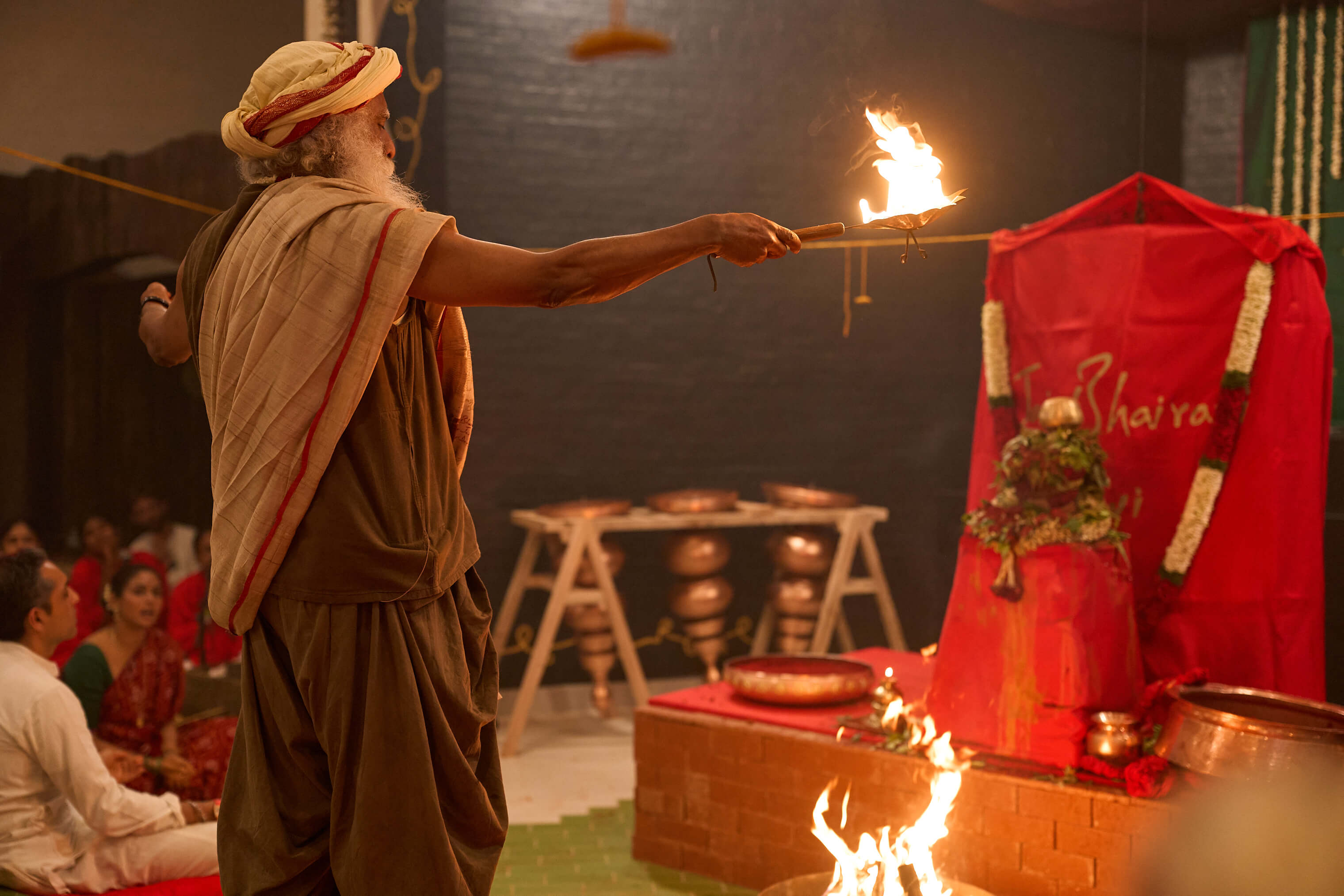
The word “Devi” comes from the root div, meaning both “space” and “glorious,” Sadhguru explained. Space, he noted, is seen as the most important aspect of creation in Yogic traditions, though we often miss it because “our visual apparatus and our daily transactional mind give significance to objects,” causing us to miss this fundamental reality. “Creation is magic,” he emphasized. “If you don’t see it, you miss it. It’s as simple as that.”
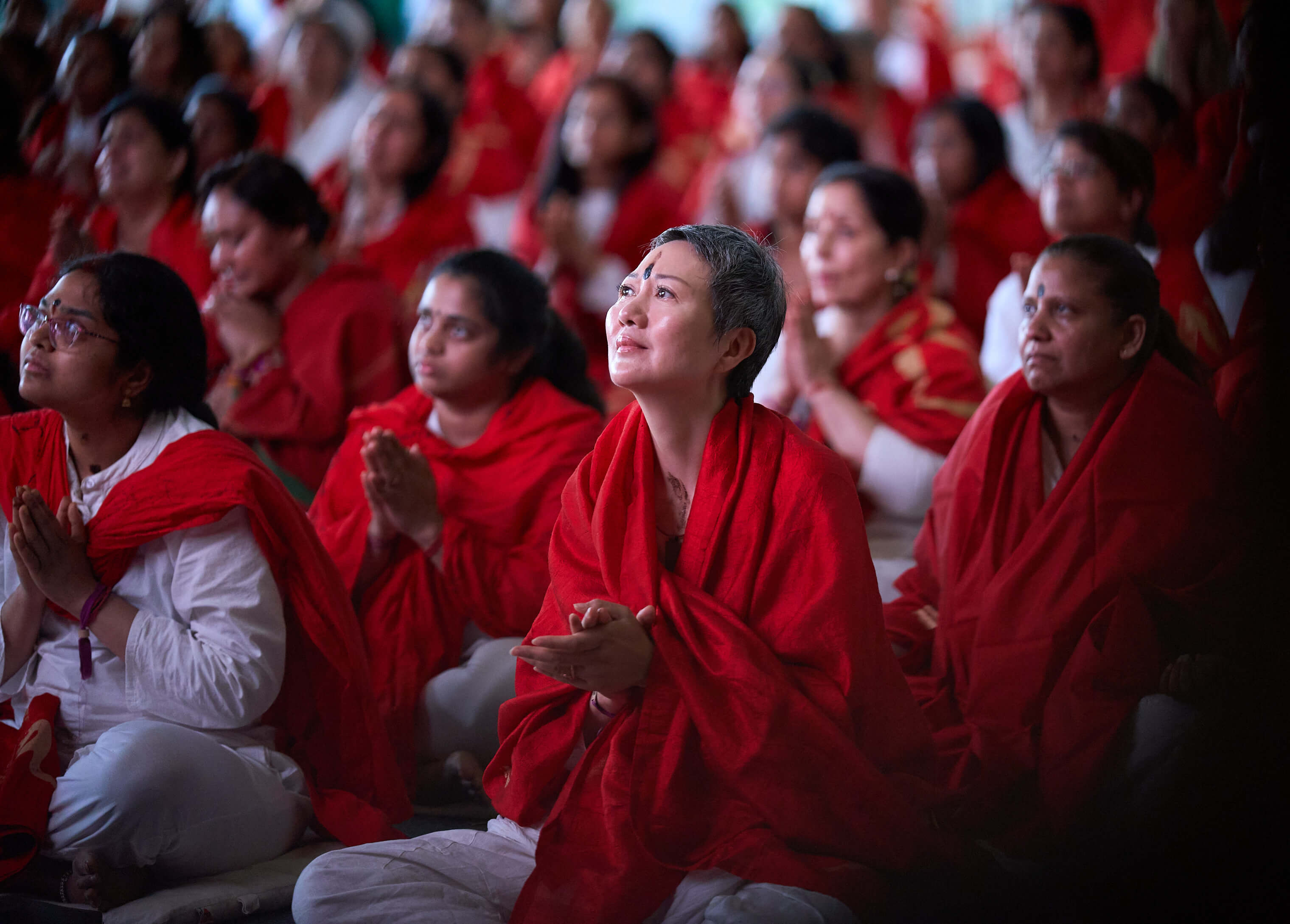
Sadhguru explored the profound symbolism of the trishul, which represents the three fundamental aspects of life – past, present, and future. The key to transformation lies in how we use past experiences: “Whatever type of experiences we had, will it become manure for us to flower, or will we sink into that manure and become manure? This is the choice we have.”
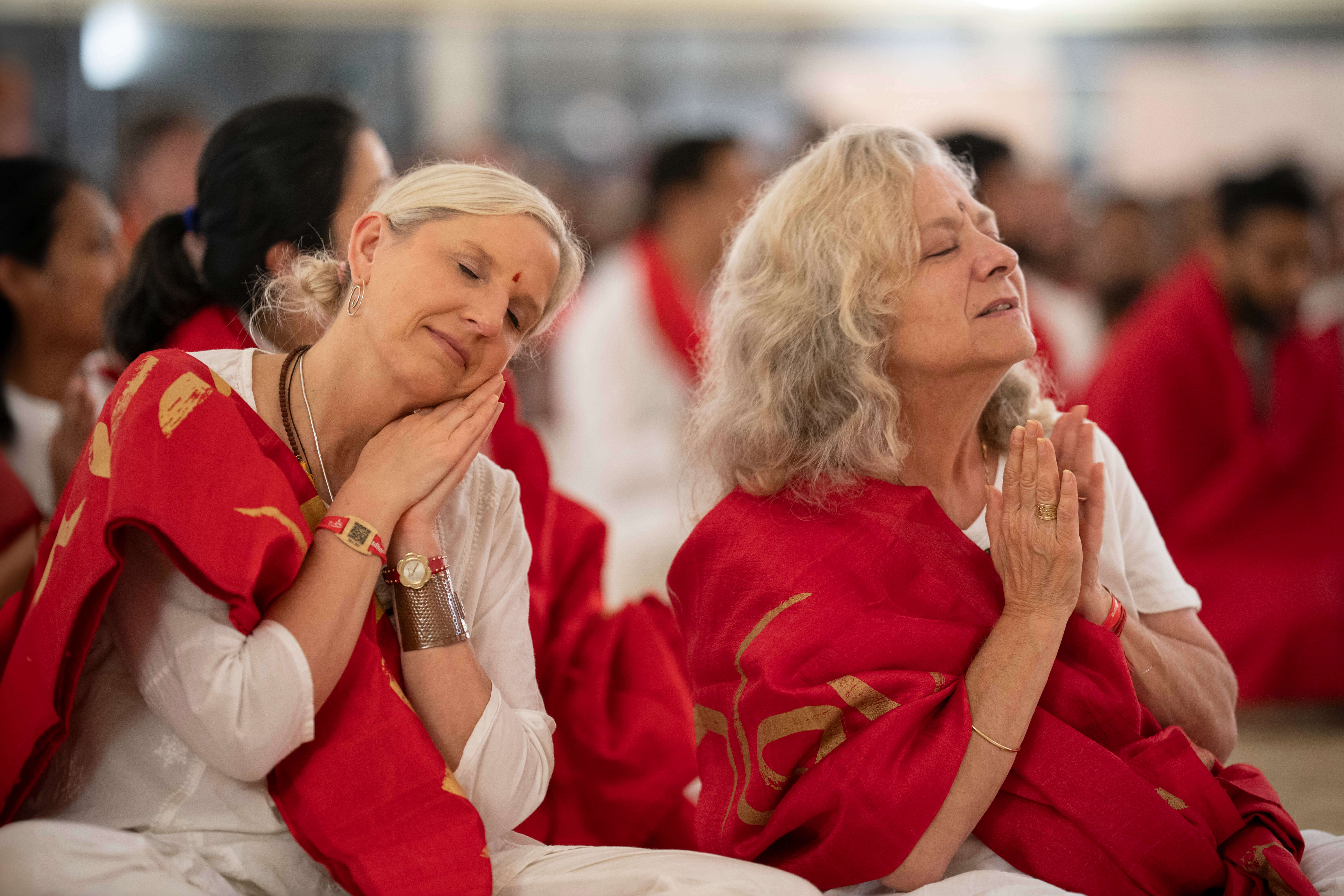
He challenged participants to define their survival standards and shift focus from endless accumulation to profound living, reminding them of one’s natural way of being: “When you were a child, for no reason you were joyful... That’s the nature of life.”
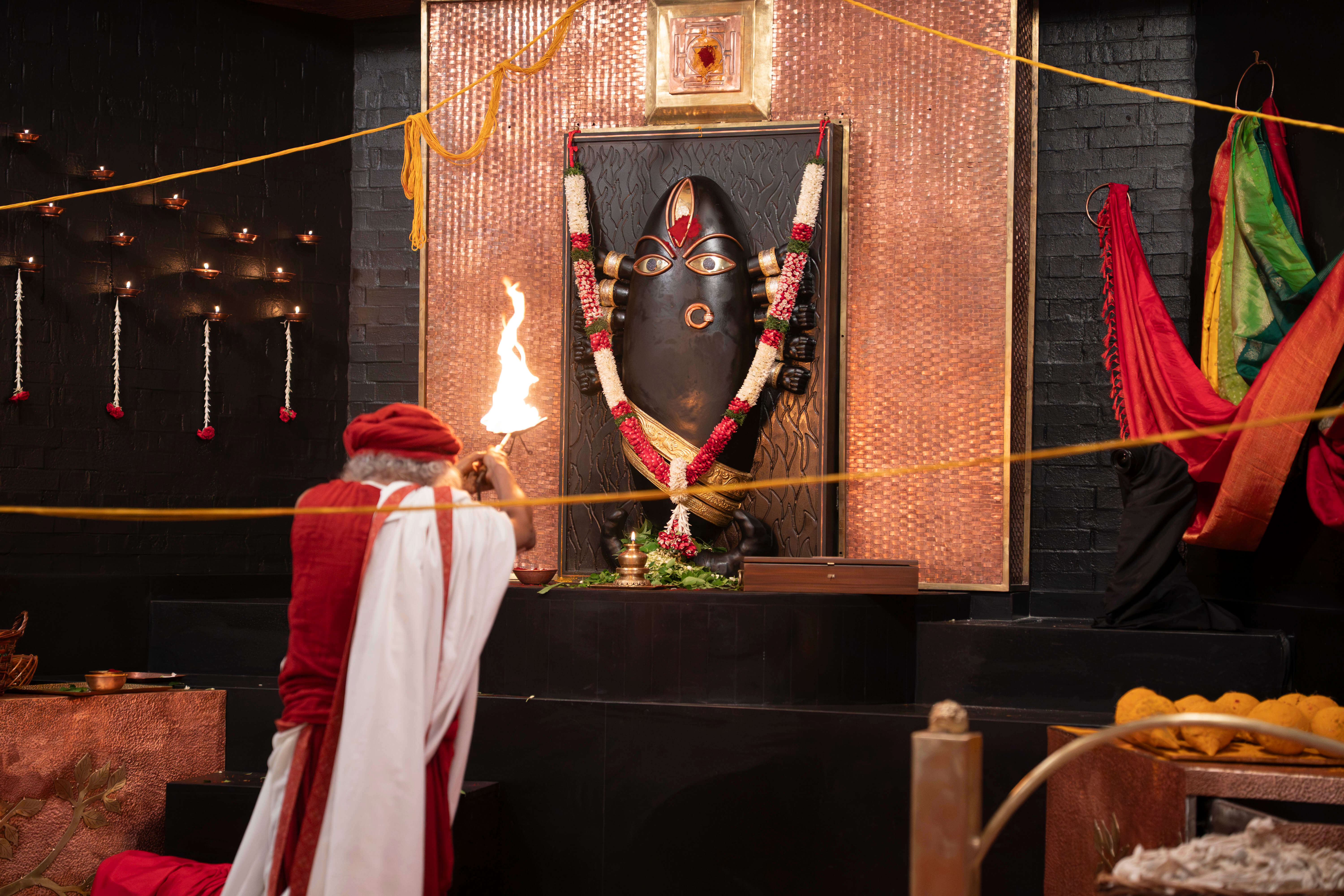
Sadhguru opened the session with powerful chants before introducing a sacred process involving sesame seeds as offerings for the Devi temple.
He explored serpent symbolism in Devi worship across cultures. “A snake, particularly a cobra, is seen as a peak of perception,” he explained, sharing anecdotes about cobras appearing during consecrations and noting their sensitivity to energies.
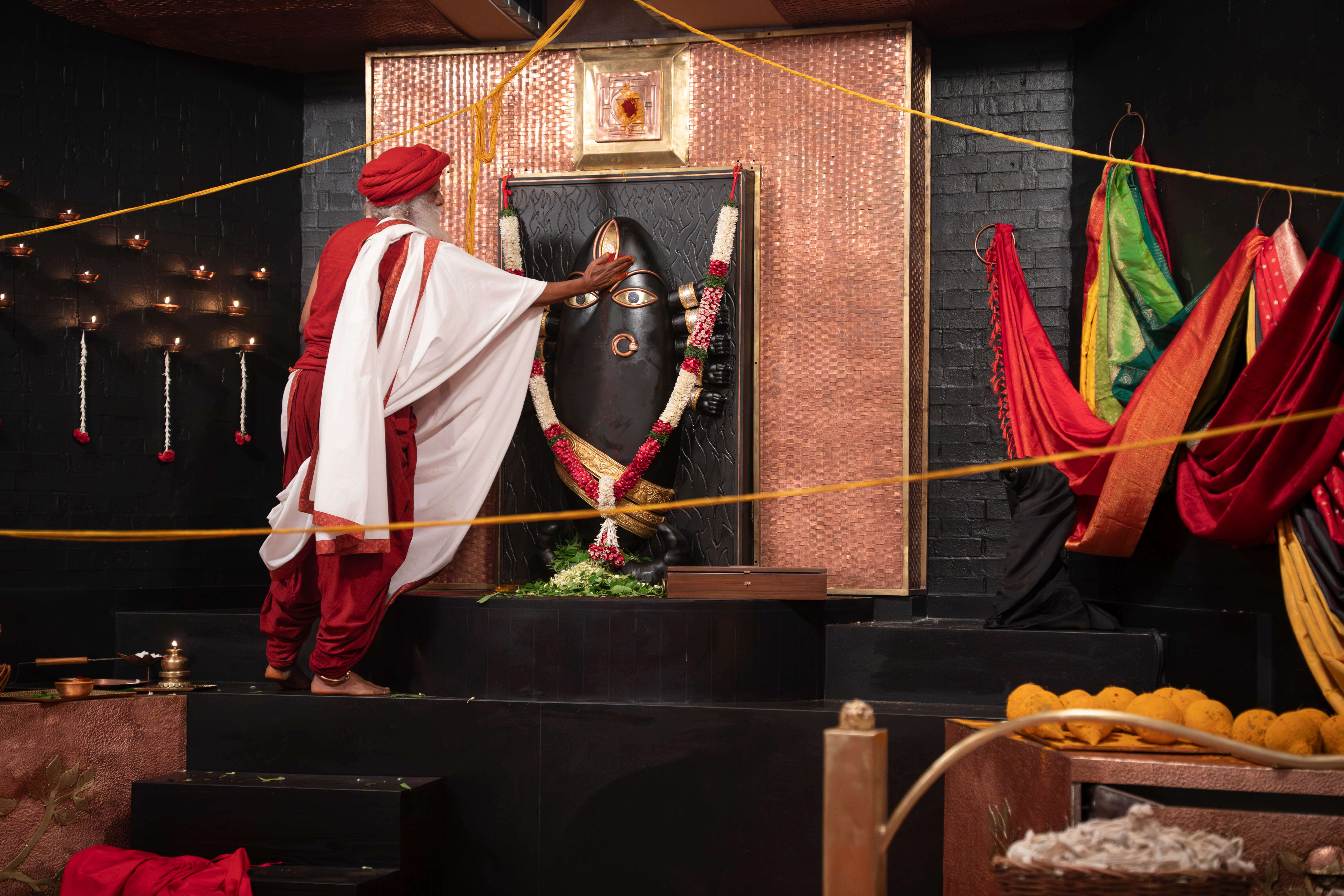
He explained that the Devi temple’s purpose encompasses both physical and psychological fulfillment, and introduced practices like Sarpa Seva and Bhumi Seva. Emphasizing the importance of surrender, Sadhguru said, “If you yourself are an impediment, what to do? This is why all you ask is, ‘Devi, make me a part of yourself.’”
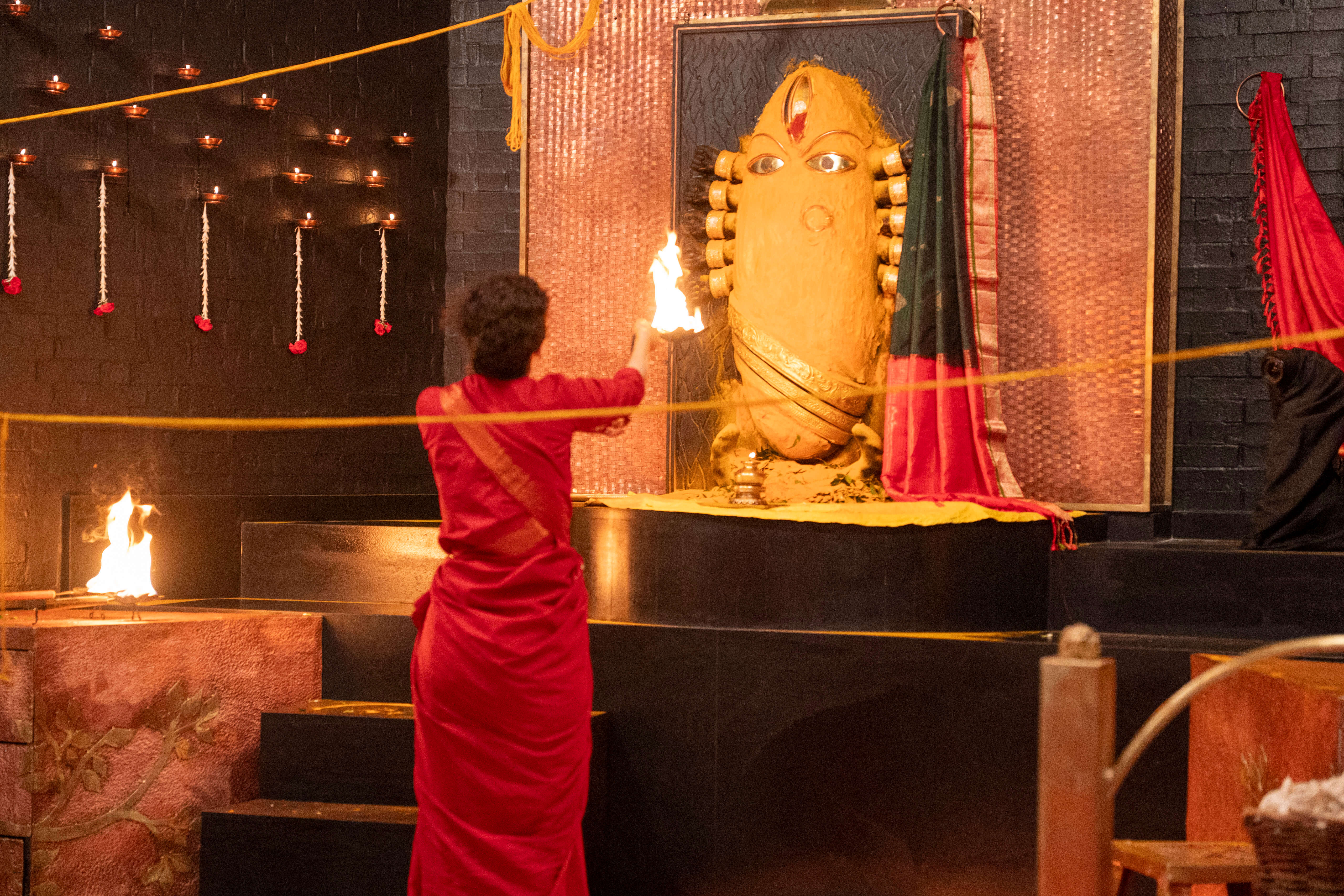
The first full moon at the Linga Bhairavi temple coincided with Buddha Purnima, the day commemorating Buddha’s birth, enlightenment, and death.
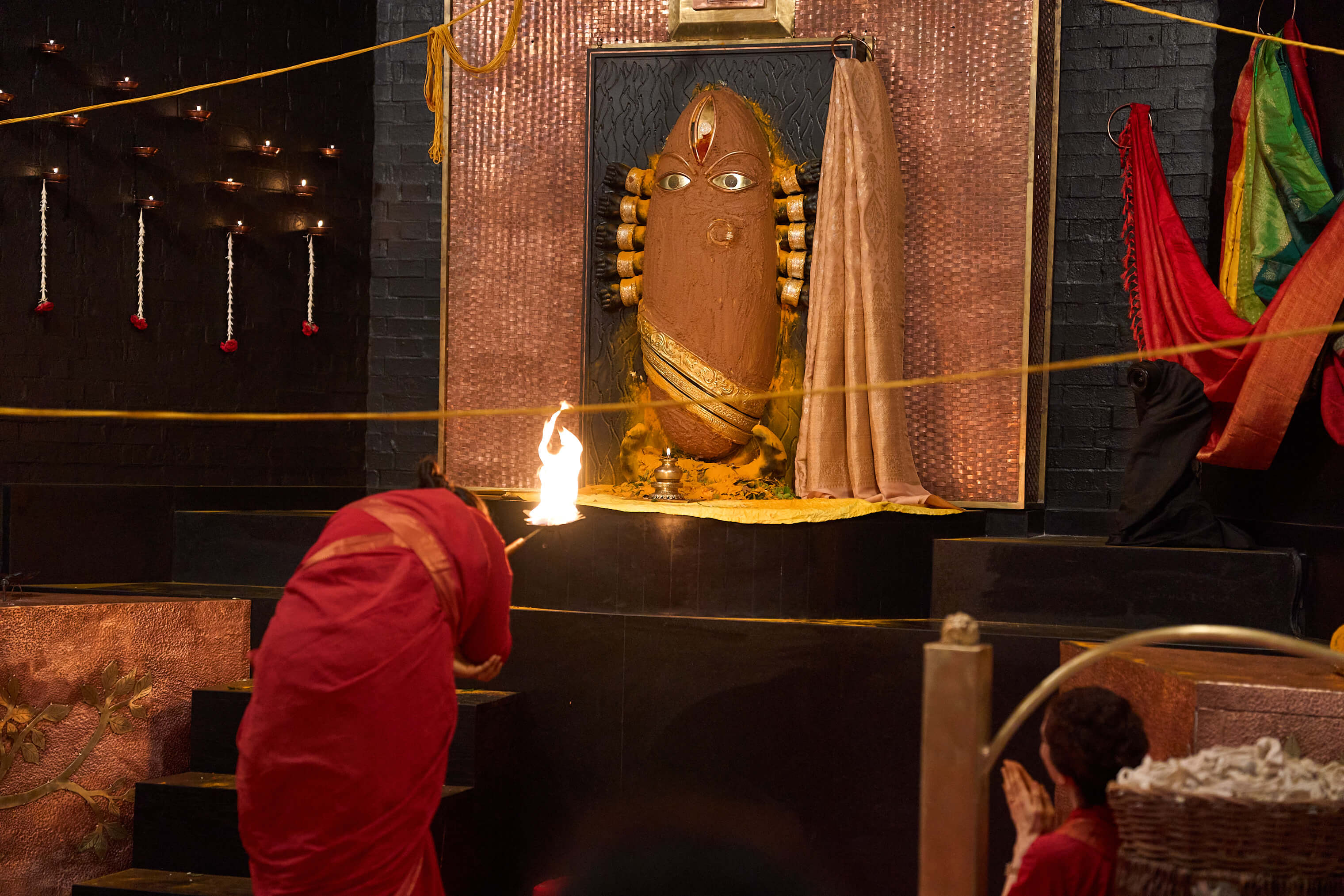
Bhairagini Maas offered the elaborate Purnima Abhishekam with devotees participating in the sacred ritual.
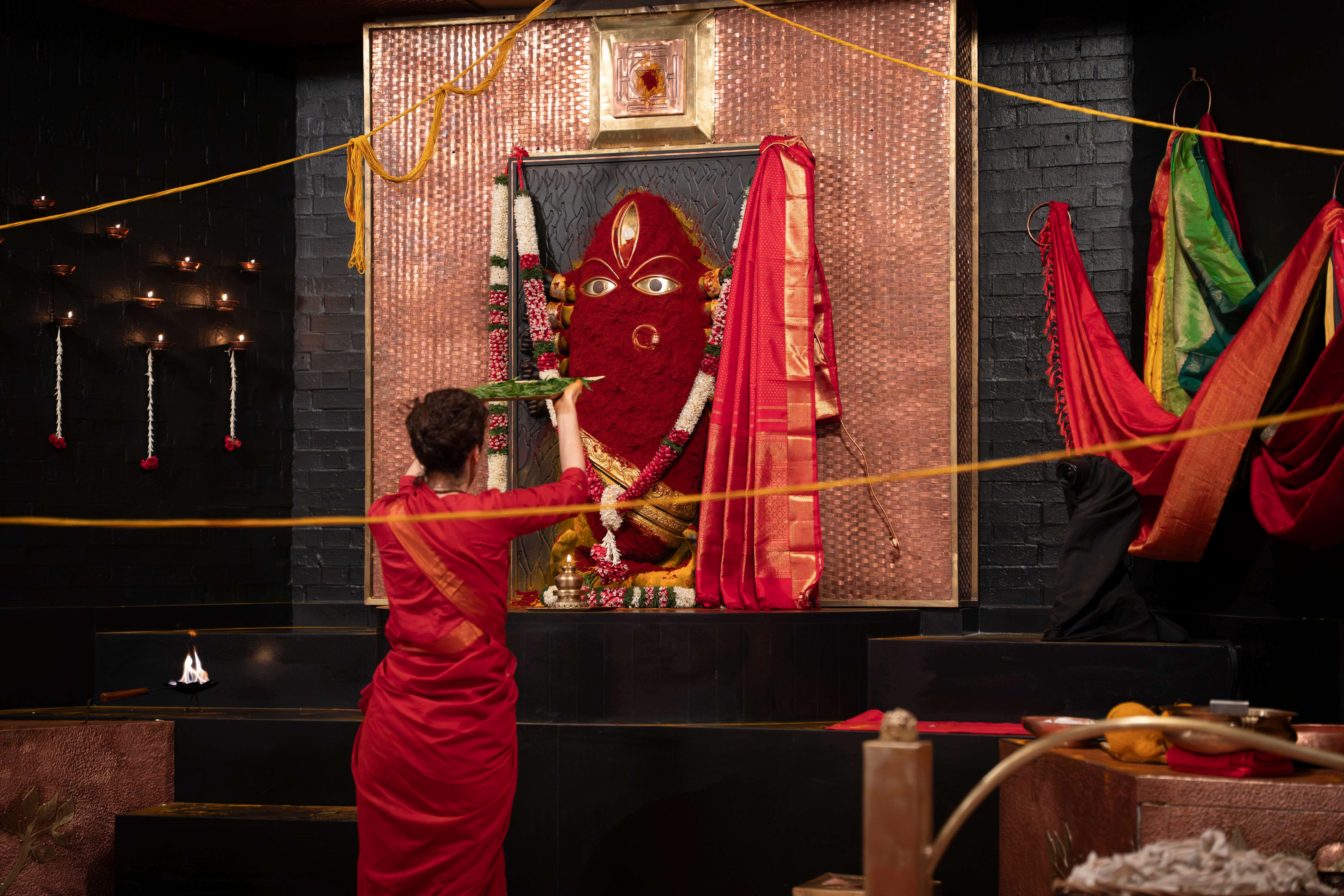
The Purnima Abhishekam will now be conducted on every full moon at the temple.
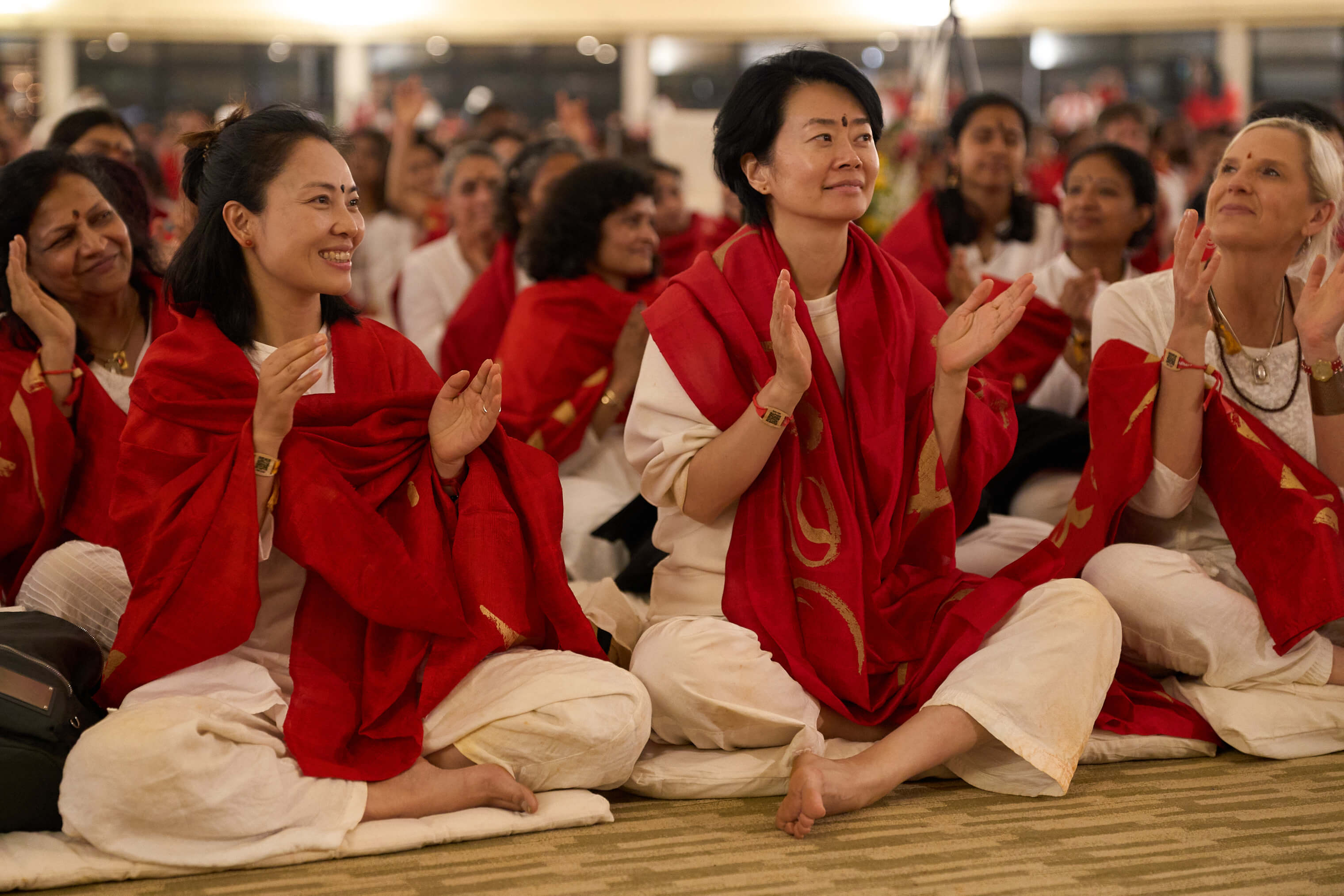
After dinner, participants gathered for a celebration at Mahima. Sadhguru announced that “Devi will be open for darshan as long as you want tonight,” allowing devotees to spend extended time with the Divine Feminine.
Sadhguru addressed how devotion and divinity are often misrepresented. He observed that “many religious people have created this perception that those who claim to be in the company of the divine are usually nutcases.”
To counter this narrative, Sadhguru emphasized: “It becomes our responsibility to present devotion in a most sensible, exuberant, joyful, and blissful way because if people see you, they must ask, ‘What happened to you? I want to be like this.’”
He stressed the significance of deciding how to be within ourselves: “These things don’t decide me – I decide. This is what walking with the divine means: that I decide how I am right now.”

Sadhguru expressed gratitude to those involved in the consecration process and emphasizing that “establishing the divine feminine is very important for this part of the world, but it must be done very carefully.” He noted that “a time has come where once again, as it used to be for thousands of years, the divine feminine is recognized in the world, particularly in United States,” closing with the words: “This just needs to happen in the world.”
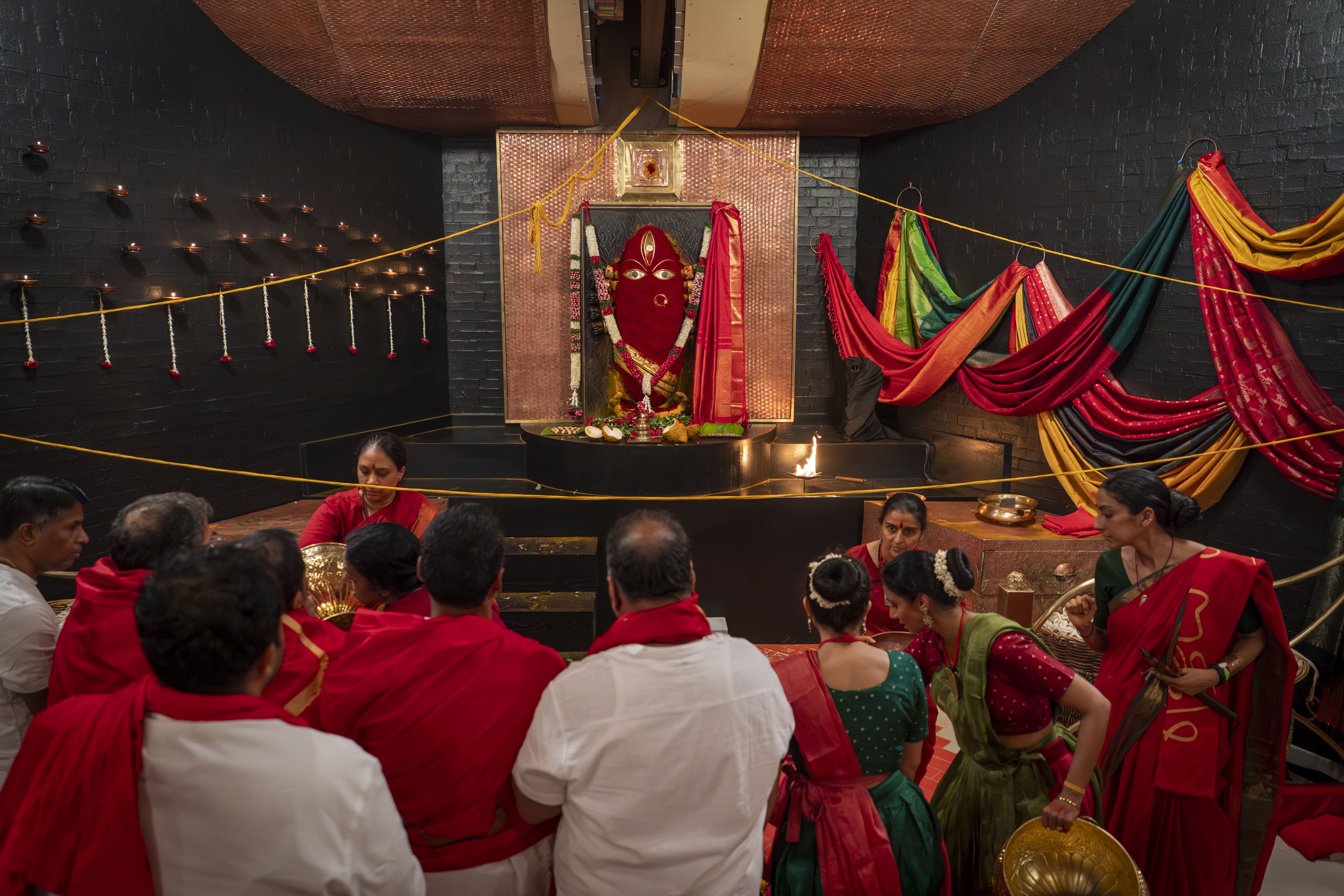
Reflecting on the consecration’s deep significance, Sadhguru shared on X: “The feminine is that aspect of you which is aesthetic, love, and intensity. The masculine is control, capability, survival, and conquest. Both are equally important. But now, as our survival is better organized than ever before, it is time to relax the masculine a bit and level up the feminine. If you do not bring the feminine reasonably level with the masculine, you won’t have a balanced society - we will go on fighting till the end of the earth. If the rise of the feminine divinity happens, in many ways the need for conflict will come down.”
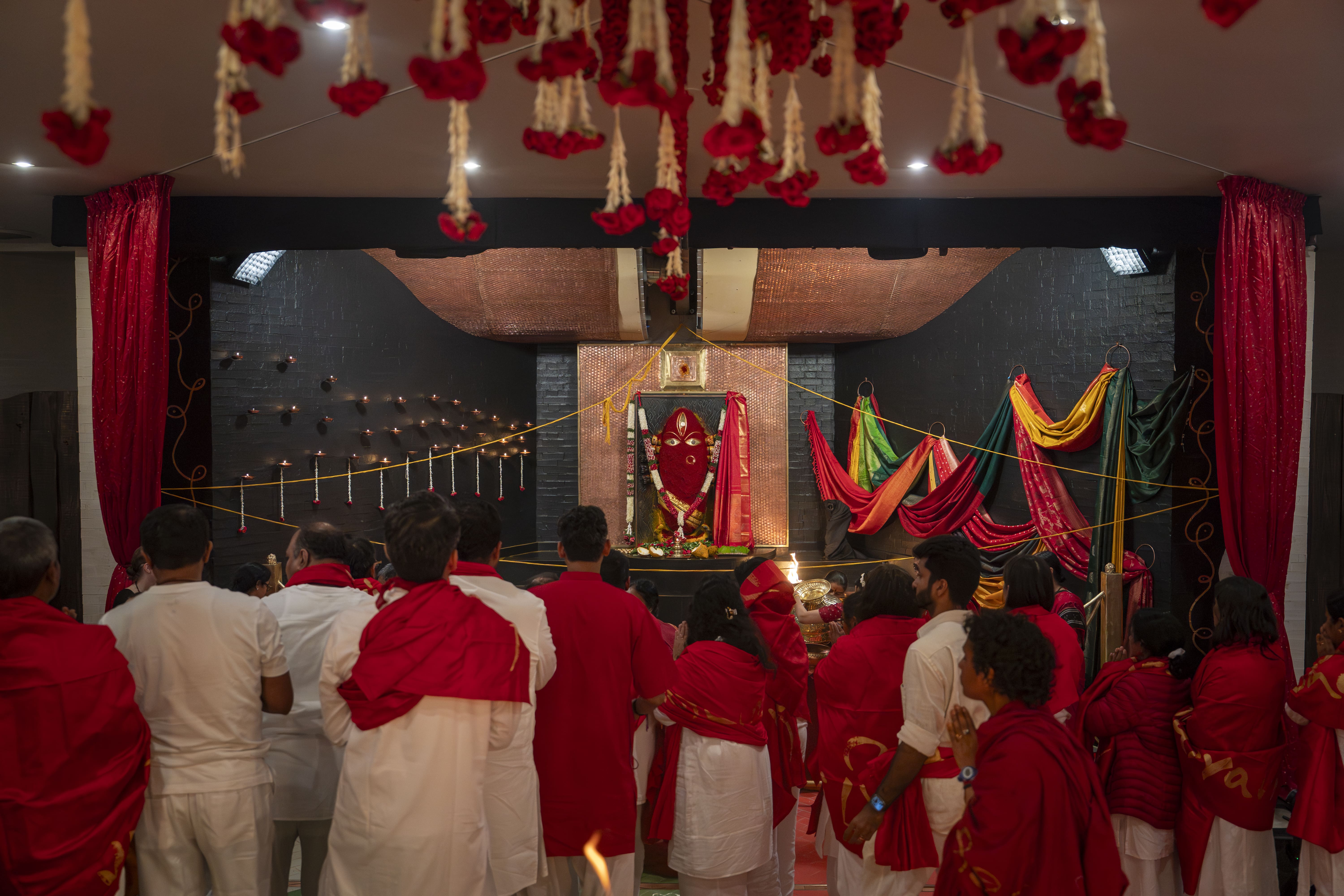
The abode of Linga Bhairavi at the Isha Institute of Inner-sciences, Tennessee, is now open to all.