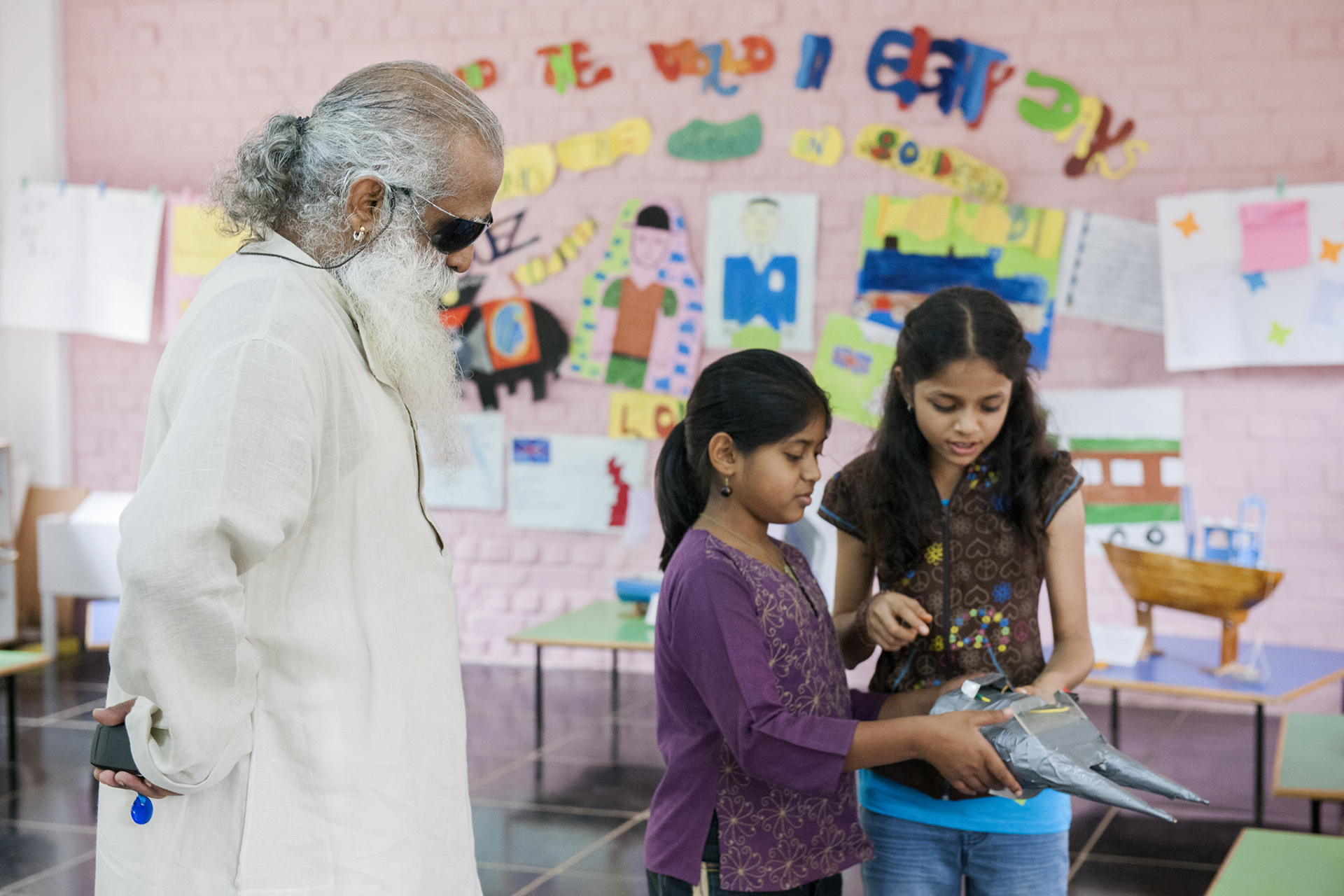
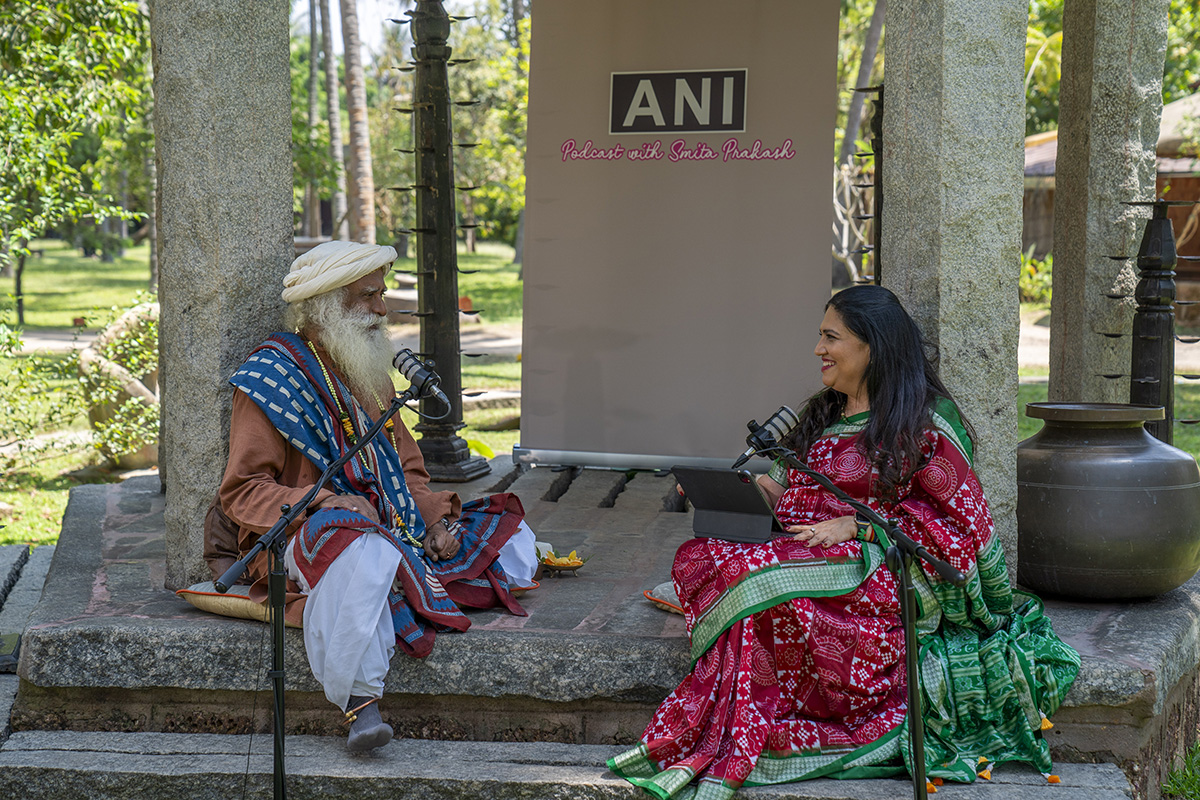
In a thought-provoking exchange at the sprawling Isha Home School premises, ANI Editor-in-Chief Smita Prakash and Sadhguru delved into the prana pratishtha (consecration) of the Ram Mandir in Ayodhya and its coincidence with the electoral cycle in India. Sadhguru dispelled the notion of political timing and highlighted the historical commitment of devotees who preserved the temple site over five centuries.
They discussed the revitalization of Hindu spirituality and cultural pride, with Sadhguru pointing out that unlike other traditions that seek heavenly pleasures, this culture aims for liberation through inner exploration, with individual experience as the focal point. He explained consecration as transforming a deity from an object into a spiritually potent entity.
Addressing the nature of Sanatana Dharma, Sadhguru underscored its inherent inclusivity and adaptability. He criticized the juxtaposition of India's secular label against the state’s control of Hindu temples and reaffirmed the flexibility and non-prescriptive core of Hindu culture.
Sadhguru explained the evolution of the term “Hindu,” emphasizing its roots in geographical identity and cultural inclusivity. He discussed the historical lack of military focus in Hindu society and the significance of cultural resilience in the face of invasions. Sadhguru linked this resilience to the concept of Bharata, indicating a holistic approach to life intrinsic to Hindu culture.
Discussing India’s role in global affairs, Sadhguru lauded India’s inclusive approach, exemplified by the integration of African nations into the G20. He portrayed the country’s democratic process as a model of peaceful power transitions, countering perceptions of electoral tumult.
The exchange also covered advancements in artificial intelligence, and Sadhguru expressed optimism about its future impact. On media-related challenges, he acknowledged the prevalence of “fake news,” drawing from personal experiences, and he also cautioned against longstanding issues with exaggerated reporting.
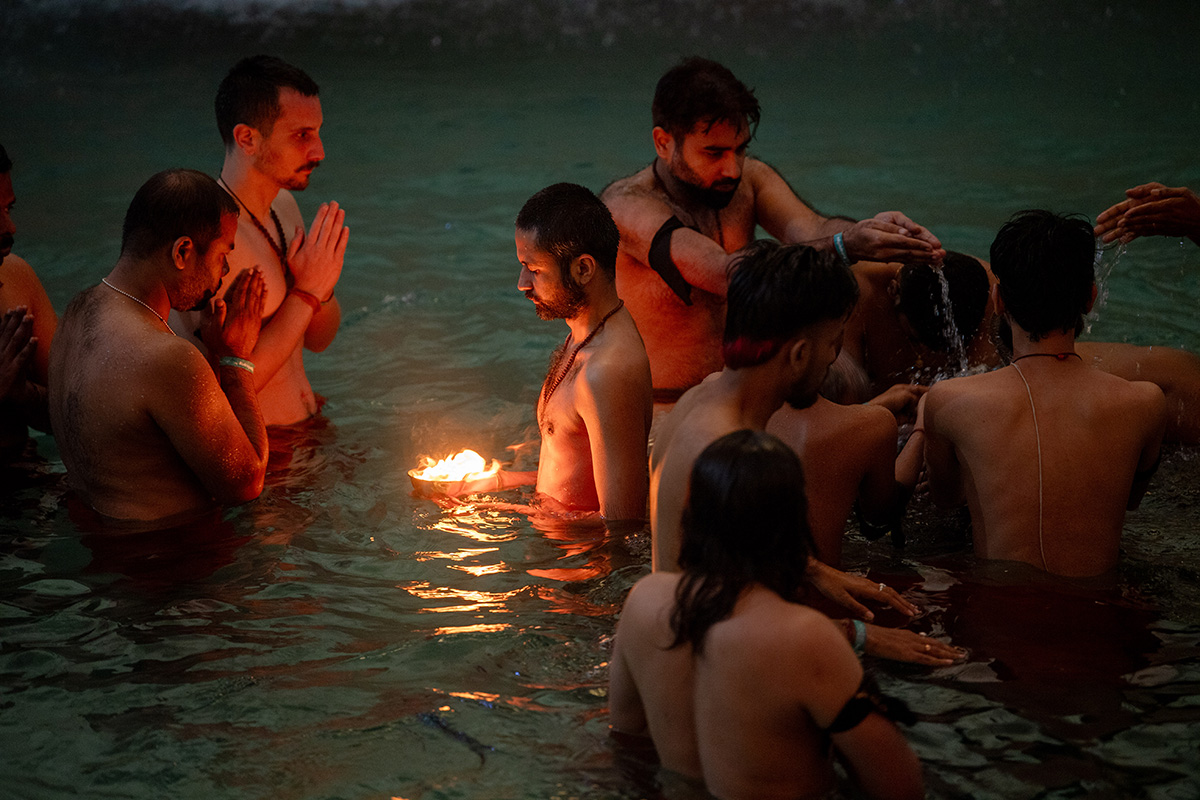
Over 2,400 people from around the world participated in the “In the Grace of Yoga” program at the Isha Yoga Center to prepare for Mahashivratri 2024. Along with other processes, they also got to attend a special session with Sadhguru where he answered their burning questions and led them through a powerful meditative process. The session ended with participants chanting together, and the sacred sound of “Shambho” reverberating throughout the Adiyogi Alayam.
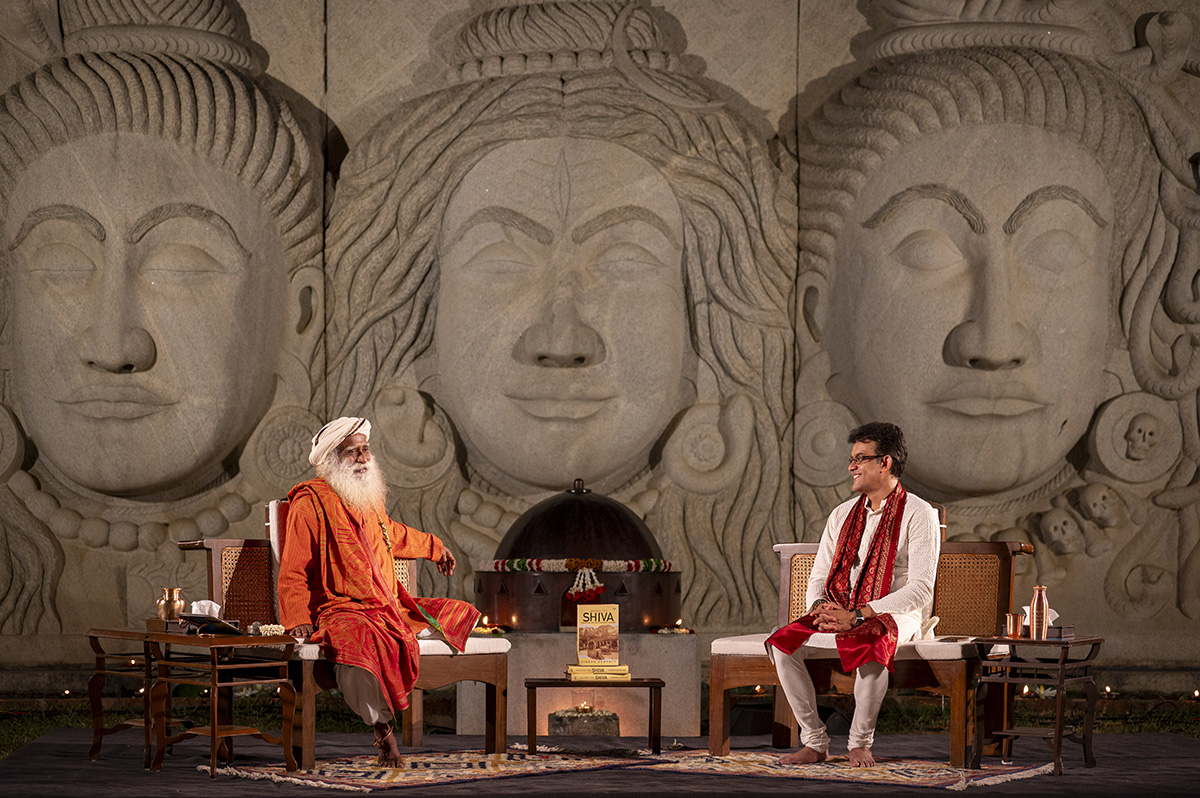
In a dialogue with historian Dr. Vikram Sampath at the Isha Yoga Center in Coimbatore, Sadhguru called for a reassessment of Indian history, emphasizing the need to recognize the severe, yet often overlooked, atrocities inflicted upon the local population by historical invaders, a narrative largely ignored by popular media and academia.
Sadhguru questioned the historical depiction of invaders as aspirational figures, highlighting how this has distorted the national consciousness and disconnected many Indians from their cultural and spiritual identity. Sadhguru underscored India’s unique civilization, especially relevant in today’s technologically united world, and emphasized the inclusive nature of the country’s cultural ethos.
The conversation with Dr. Sampath also explored the ongoing legal efforts to reclaim and preserve sites like the Kashi Vishwanath Temple. Sadhguru articulated the issues surrounding the maintenance of North India’s sacred sites, attributing their state of neglect to historical and post-independence policies that undermined the status of Hindu temples. Additionally, they illuminated the Indian tradition of interweaving personal narratives with historical events, an approach that fosters greater resonance with the past.
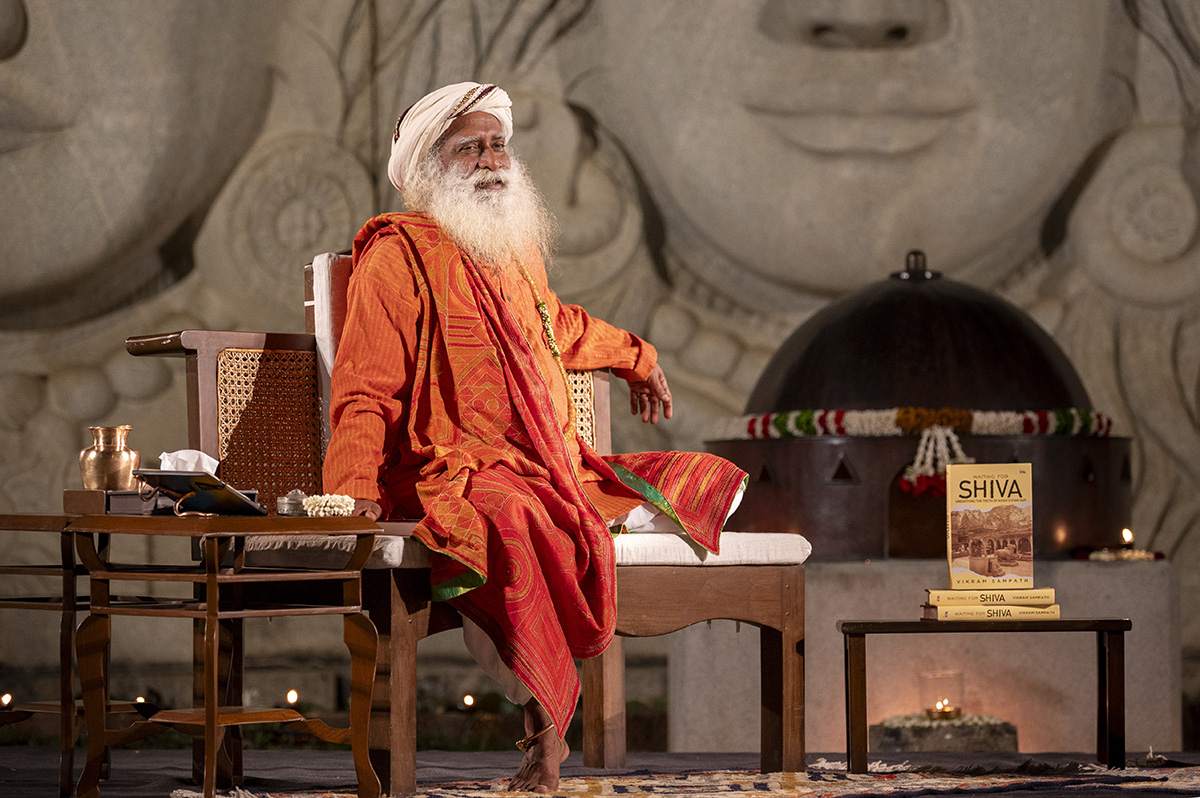
Dr. Vikram Sampath and Sadhguru also touched upon the sensitive topic of reclaiming sacred spaces, examining the idea of where to draw the line between social harmony and reclamation. Sadhguru proposed the formation of a tribunal to expedite the process, ensuring decisions are based on substantial evidence and collective memory rather than endless litigation. He emphasized that reclamation should be a celebration of civilization, not an act against any community, and criticized illegitimate leaders who fuel communal tensions.
Dr. Sampath further spoke to the theological differences between a temple and a mosque, which Sadhguru agreed could lead to peaceful resolutions if addressed by wise and devout community members. Furthermore, they spoke about the historical context of potential Buddhist sites beneath Hindu temples, to which Sadhguru responded by suggesting that if evidence exists, claims should be considered regardless of the religion involved.
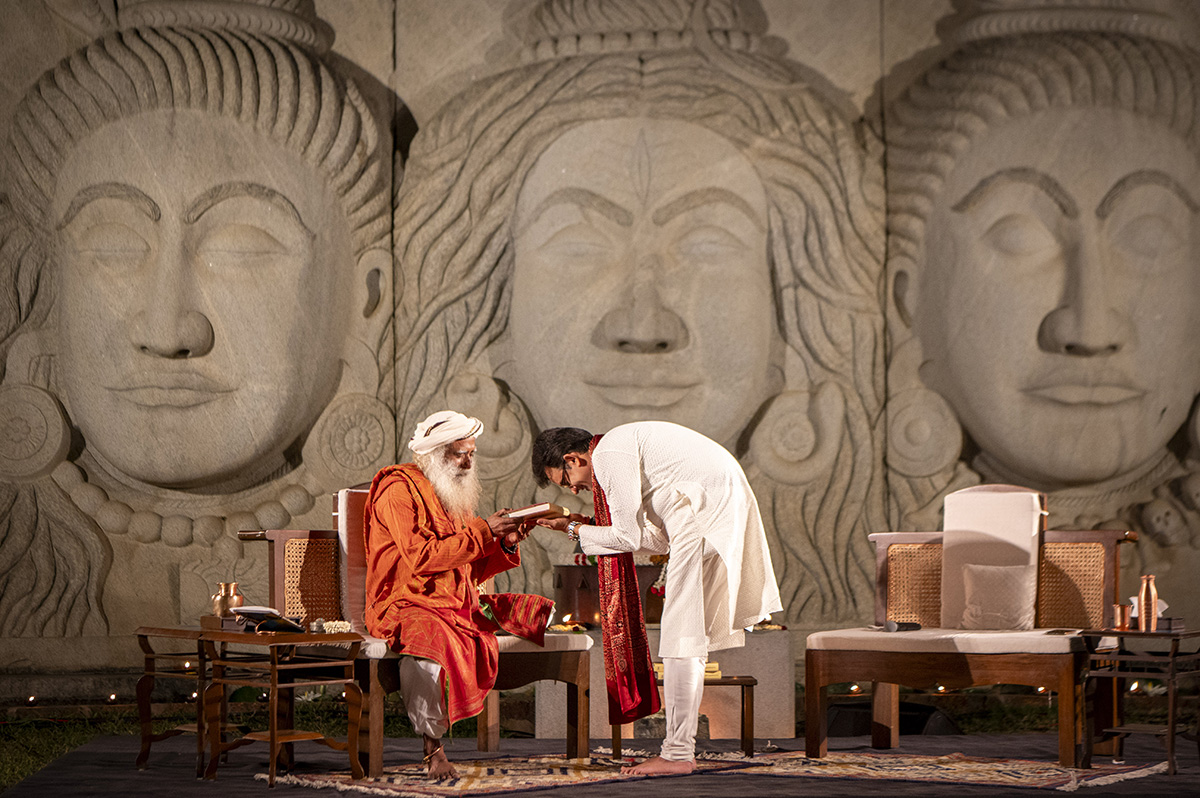
Sadhguru and Dr. Vikram Sampath also discussed the historical and contemporary issues surrounding the Kashi Vishwanath temple and the broader topic of temple ownership in India. Sadhguru emphasized the importance of reclaiming and rejuvenating numerous temples from government control, where the devotion necessary for preserving their sanctity is often lacking. Dr. Sampath shared detailed accounts of the temple’s history, emphasizing its rich cultural and religious significance and the centuries-long struggle to preserve it against various waves of destruction.
The discussion also touched upon the recent developments in the legal proceedings surrounding the Gyanvapi Mosque case, with particular reference to the 2021 case, filed by advocate Hari Shankar Jain on behalf of Maa Shringar Gauri.
Both underscored the Sanatani values of inclusivity and eternity as foundational for the temple’s reclamation. Sadhguru criticized the hypocrisy in glorifying oppressors through names of places and stressed the importance of a clear, loud voice for Hindus in these matters. The conversation concluded with the prospect of a renewed national spirit that transcends religious boundaries, upholding the secular fabric of India while respecting its ancient heritage.
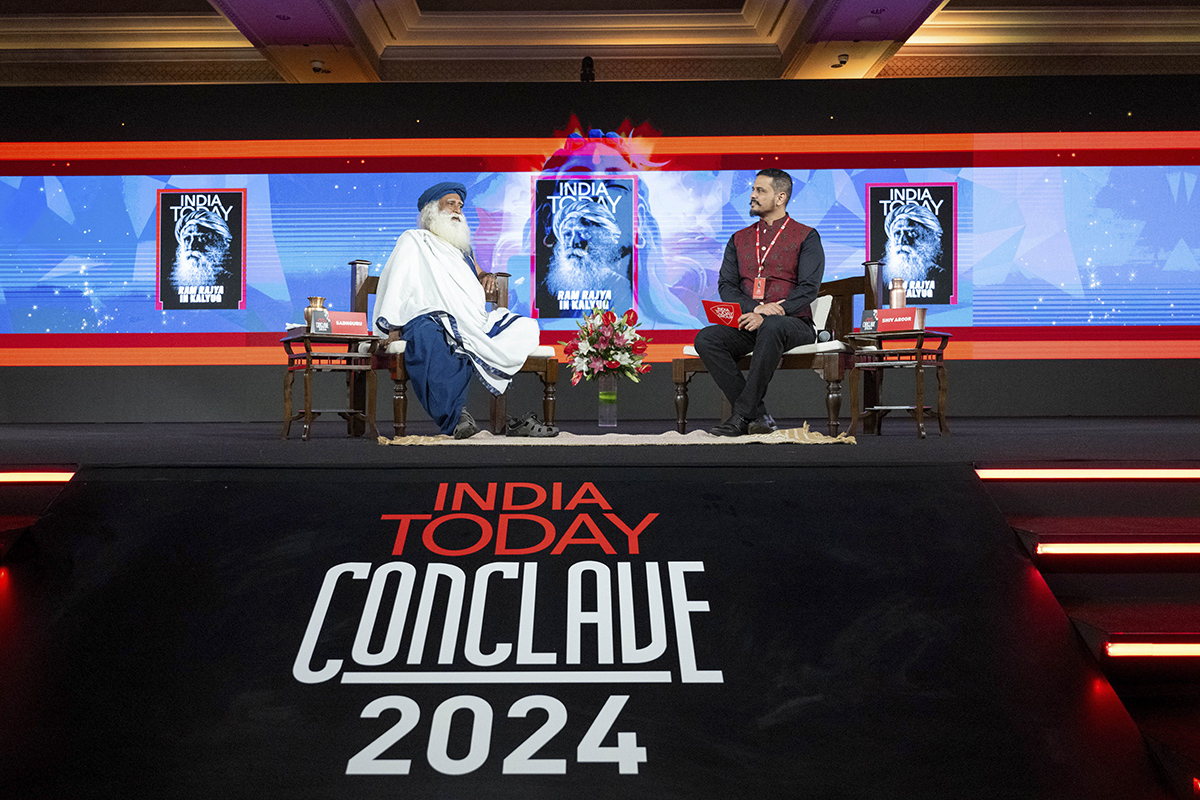
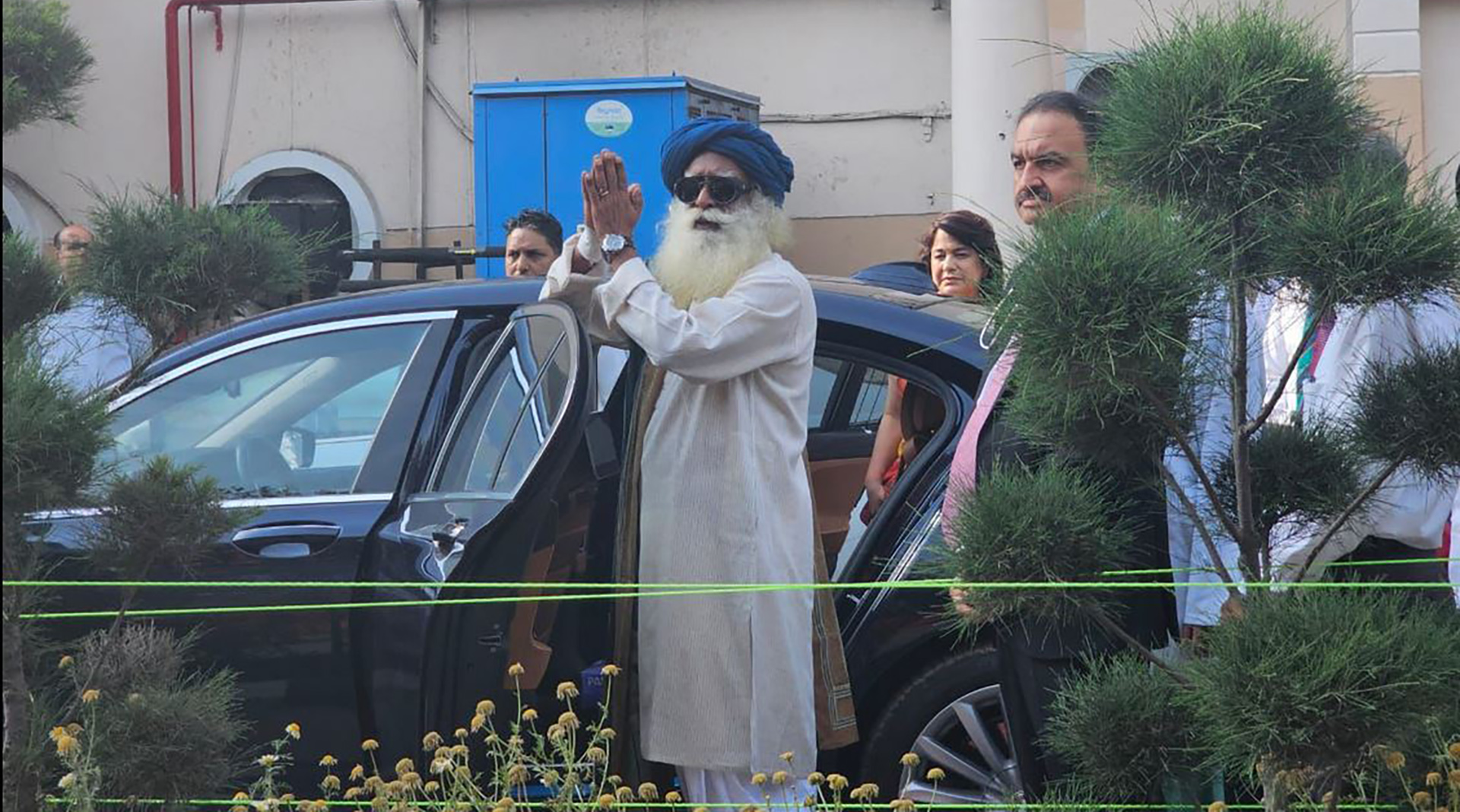
At the India Today Conclave in Delhi, senior journalist Shiv Aroor engaged in a riveting discussion with Sadhguru. Referring to the title of the session, “Ram Rajya in Kaliyug,” Sadhguru challenged the commonly held belief that we are in Kaliyug, articulating instead that we are nearing the end of Dwapara Yuga and heading into Treta Yuga, synonymous with “Ram Rajya” or an era of just governance. He emphasized that while a perfect society may be unattainable, the continuous striving for improvement is what imbues life with beauty.
Tackling the controversial Citizenship Amendment Act (CAA), Sadhguru described it as a belated gesture of limited compassion toward those facing persecution in neighboring countries. He criticized the relentless election cycle and proposed the idea of “One Nation, One Poll” as a step towards better governance. Sadhguru also touched upon issues of soil conservation, media representation of events, the importance of celebration within Indian culture, and the nature of spirituality as a quest for truth rather than a subscription to beliefs, presenting it as a journey of seeking rather than a fixed state of being.
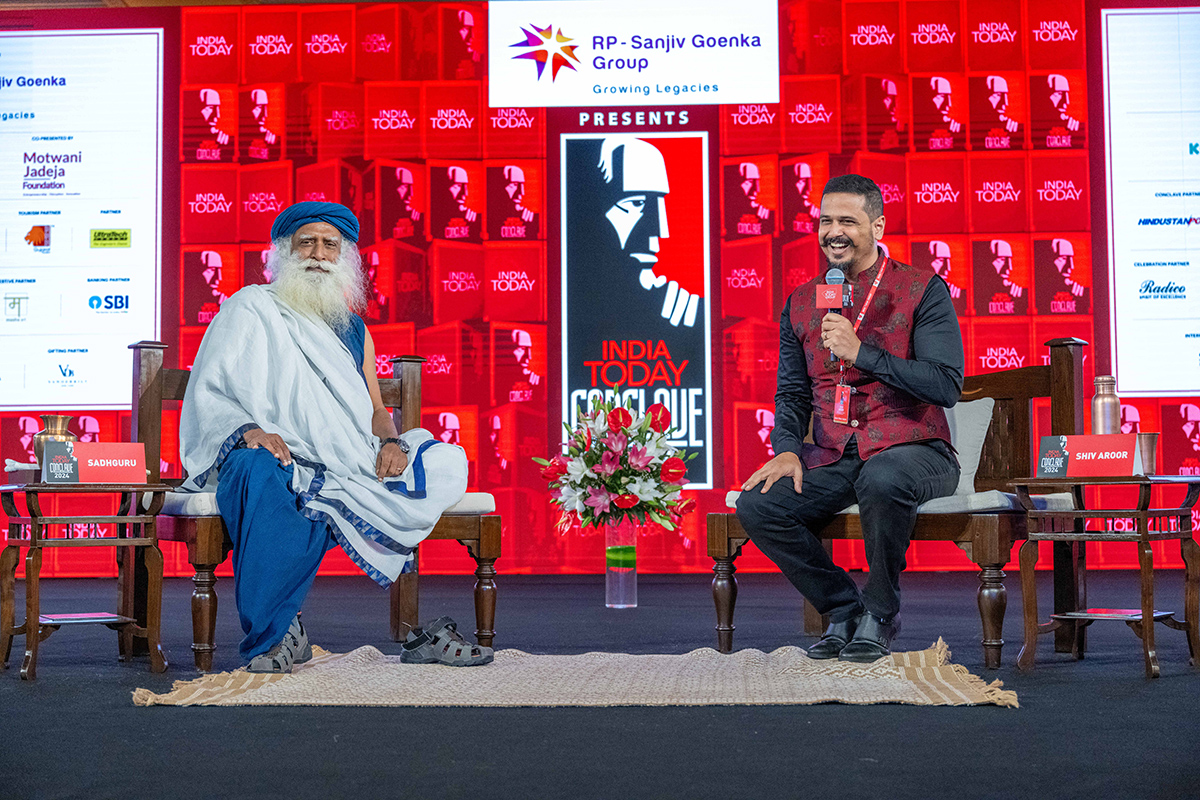
Shiv Aroor also sought Sadhguru’s insights on matters such as healthy skepticism, the fleeting nature of existence, and the essence of living life to its fullest. Sadhguru stated that life’s moments should not be categorized as good or bad, as they are fleeting instances in our transient existence. On the note of spiritual authenticity, Sadhguru advised people to concern themselves with whether spiritual teachings are helpful to them personally, rather than dwelling on a teacher’s authenticity.
With respect to online abuse, Sadhguru conveyed his disregard for such behavior, highlighting that he remains unconcerned about negativity generated in other people’s minds unless it impedes his work. When it came to criticism, Sadhguru differentiated it from abuse, underlining his openness to factual, constructive criticism as opposed to the baseless abuse he often encounters. The session wrapped up with a gesture of appreciation towards Sadhguru for his valuable contributions.
In an interview for India Today, journalist Prerna Koul Mishra asked Sadhguru about topics ranging from his use of technology to his perspectives on artificial intelligence and natural stupidity. Sadhguru described his phone as a critical tool for managing his work and emphasized that he does not get angered by stupidity as it’s prevalent everywhere.
He humorously challenged the preconceived notion that exuberance is unbecoming of spiritual leaders by referencing revered saints and sages of the past who expressed their exuberance through dance and song. He highlighted that such vibrant expressions of life are not contradictory to spirituality, but rather they reflect its diverse forms.
They also discussed death and its inevitability, with Sadhguru asserting that life can be determined to an extent, but death is non-negotiable. Prerna inquired about the metal ring Sadhguru wears around his ankle, which he explained as a shackle to ground his energies, hinting at his leaving his body in the next 40 days after it is removed.
In an amiable exchange with content creators, Sadhguru emphasized the importance of questions for intellectual expansion. Conversations flowed from his special connection with southern India to the bold venture of establishing a Yogic city in the United States, which will cover 32 square miles of land and is part of the Conscious Planet movement. Sadhguru’s approachability and humor shone throughout the interaction, reflecting his global influence and commitment to human wellbeing.
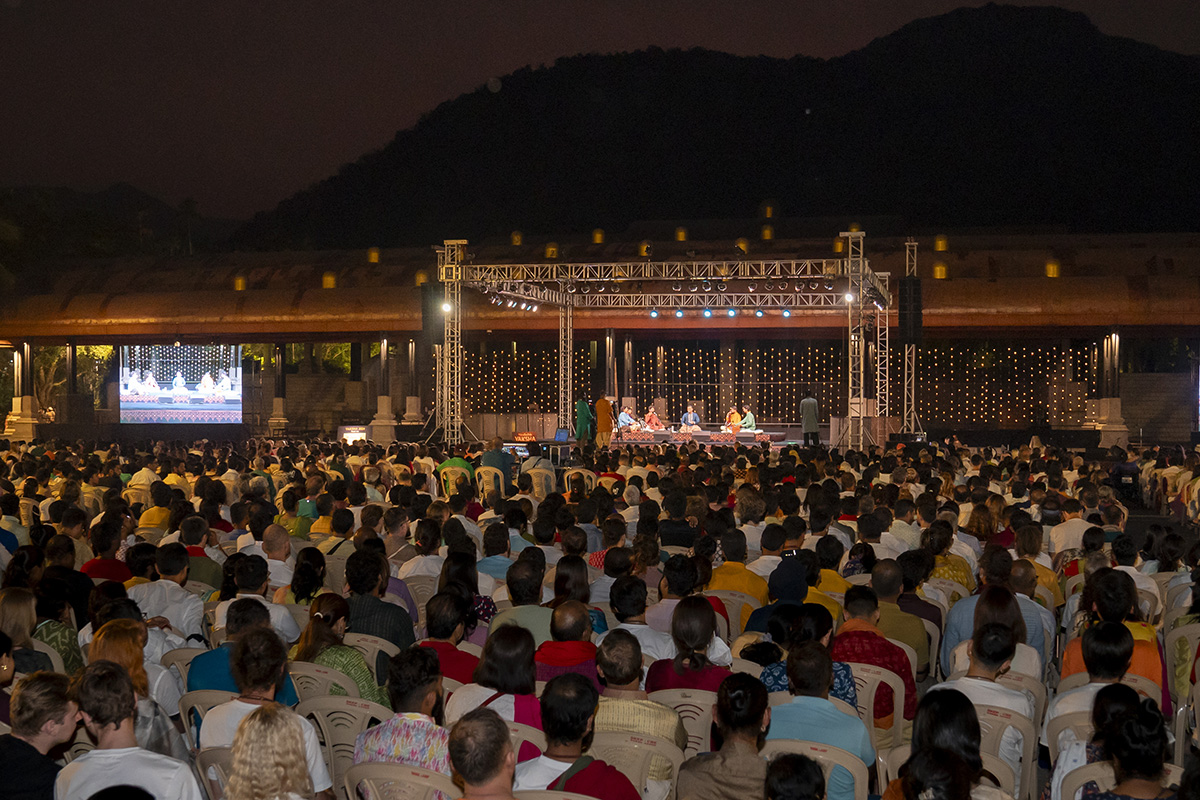
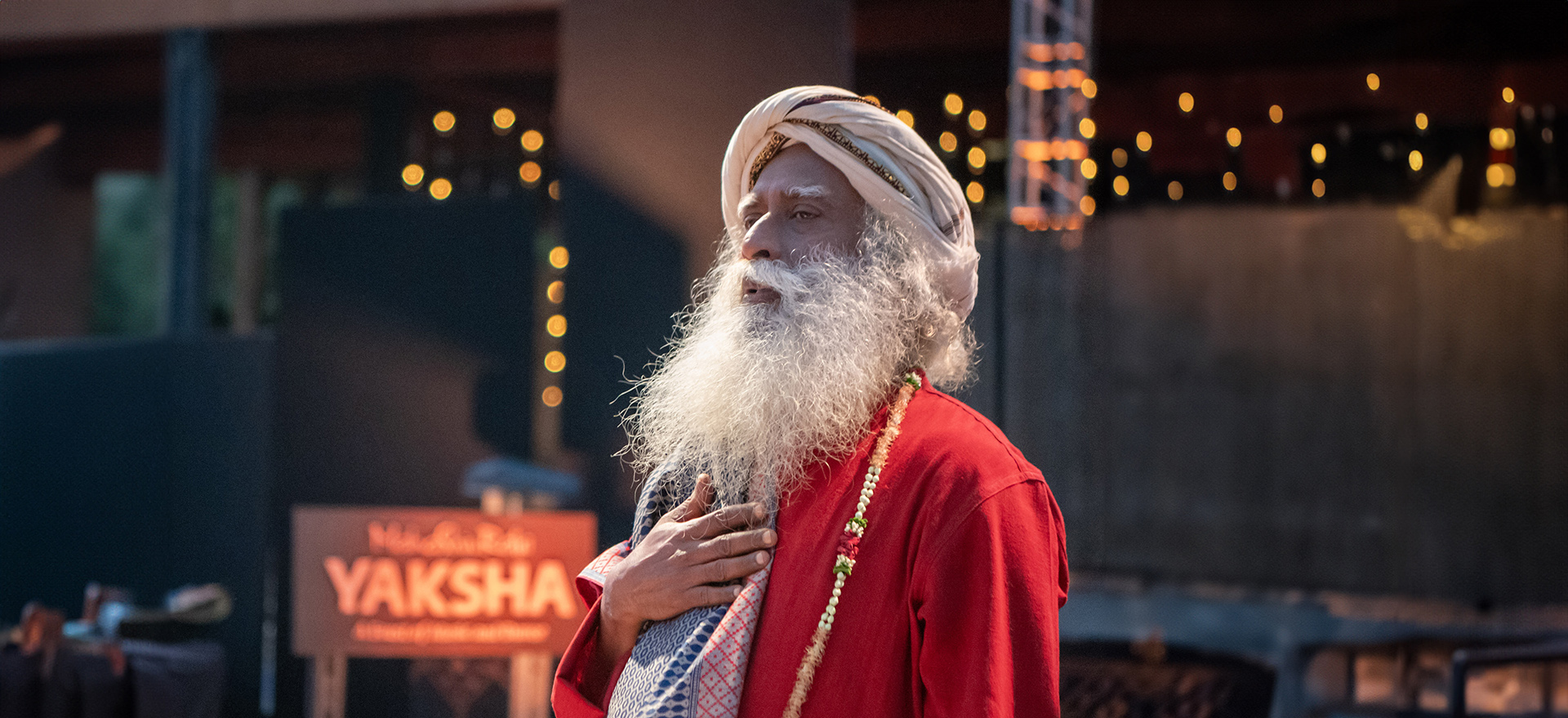
Yaksha 2024 at the Isha Yoga Center marked yet another year of spirited celebration of India’s classical culture, music, and dance. The festival featured world-class artists who captivated the audience with their unparalleled performances, honoring India's rich artistic heritage in a spectacular display of talent and devotion to the classical arts.
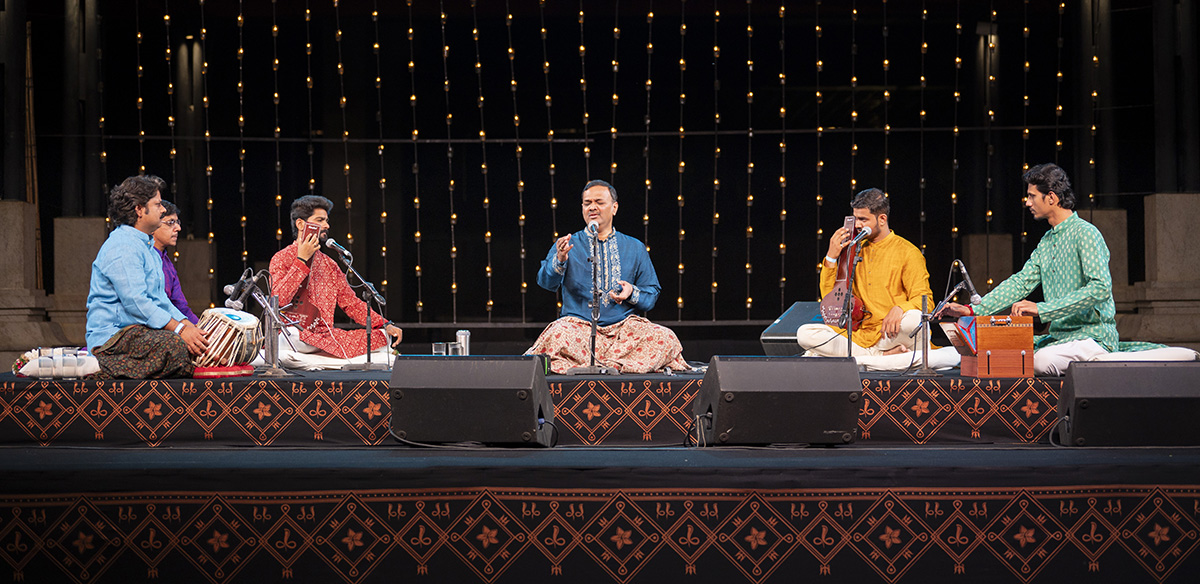
Day 1: Pandit Sanjeev Abhyankar’s spellbinding performance of classical ragas and the Nirvana Shatakam set the perfect stage for this year’s Yaksha celebrations. Renowned for his mastery of Hindustani classical and devotional music, Abhyankar drew the audience into the spiritual essence of the art form, leaving a profound and lasting impression with his musical prowess.
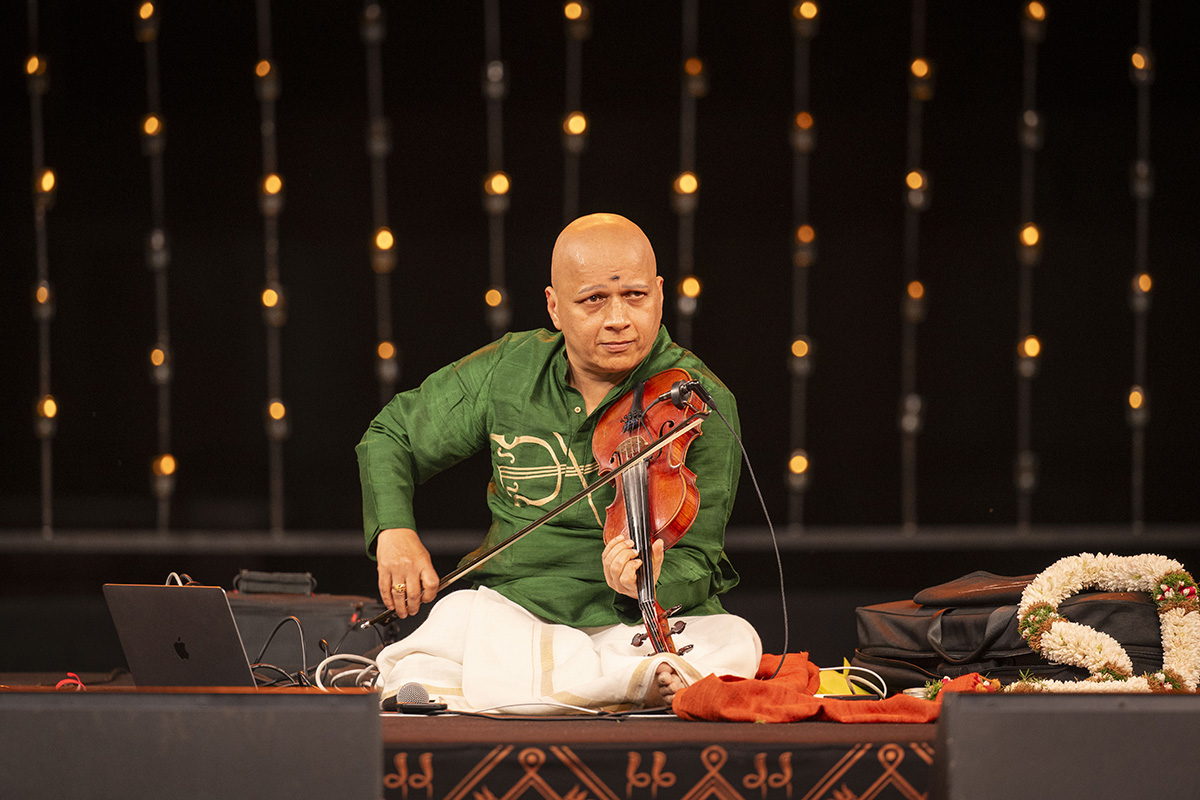
Day 2: Vidwan R. Kumaresh enthralled the audience on the second day with his spectacular demonstration of masterful technique, creating rich soundscapes and emotive storytelling through the strings of his violin.

Day 3: Smt. Ananda Shankar Jayant and the Shankarananda Kalakshetra Ensemble presented “Tales from the Bull and the Tiger,” a magnificent Bharatanatyam performance, for a fabulous finale to Yaksha 2024. The attendees left with a renewed appreciation for the traditional art forms that define India’s immensely rich cultural tapestry.
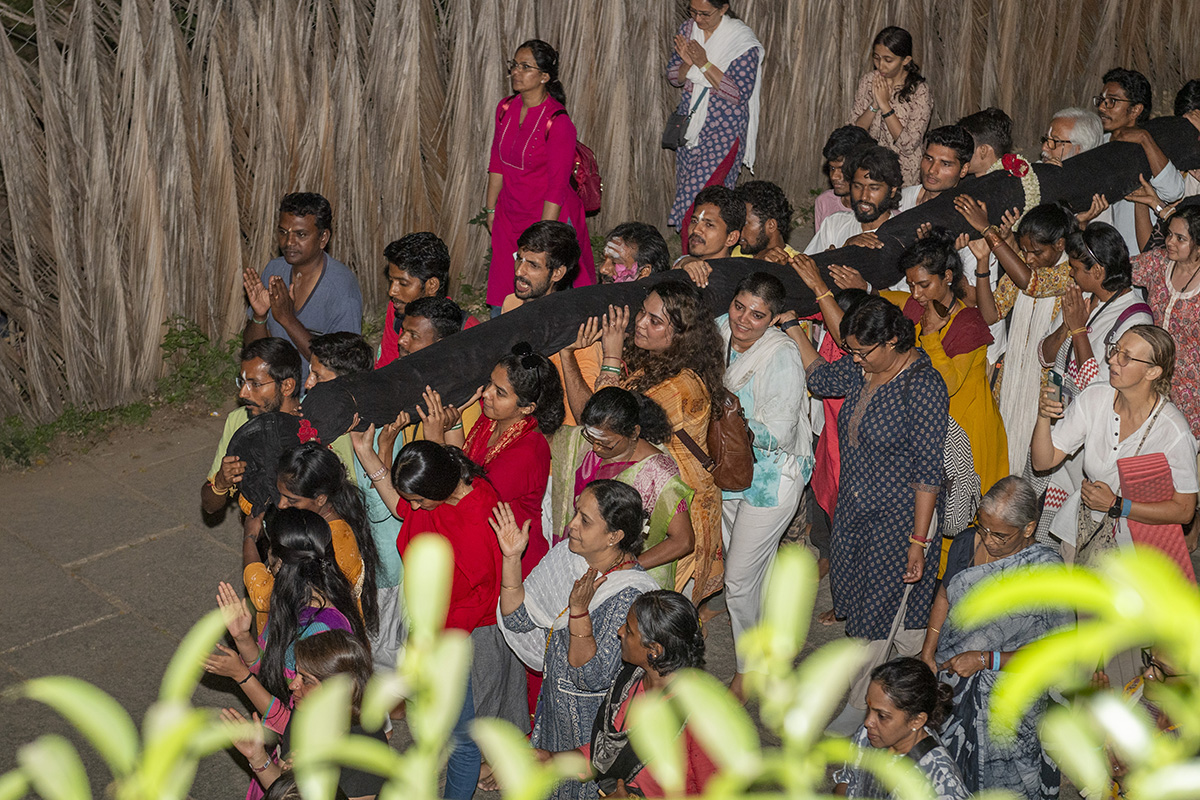
Poornangas, volunteers, and brahmacharis who live and work at the Isha Yoga Center came together to prepare and offer a 100,008-bead rudraksha mala (garland) to Adiyogi in a grand procession. The mala will adorn Adiyogi for one year until Mahashivratri 2025.
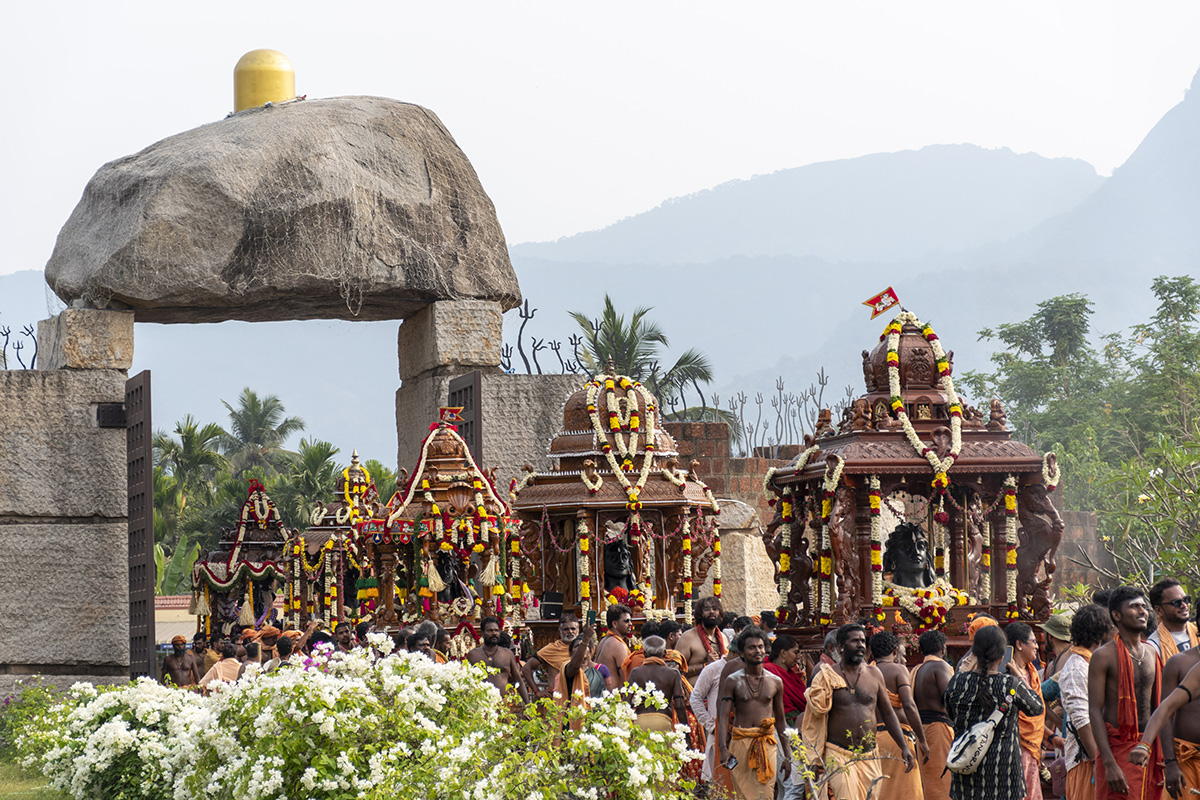
Over 450 devotees from across southern India arrived at the Isha Yoga Center and culminated the Shiva Yatra in the presence of Adiyogi. The Shiva Yatra is a pilgrim walk (pada yatra), bullock cart, or bicycle journey from one’s hometown to the sacred Velliangiri Mountains, known as the “Kailash of the South,” and to Dhyanalinga to become available to Shiva's grace. During the yatra, the participants covered over 1500 kilometers, and a wave of their devotion swept more than 20 districts and 300 villages.
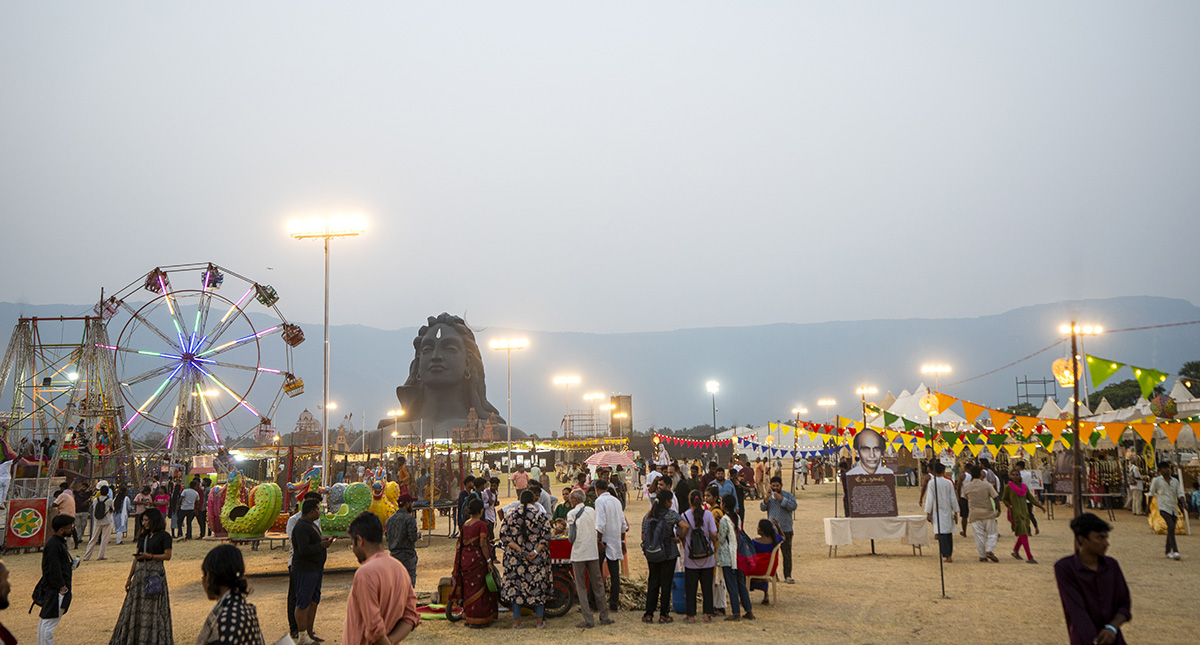
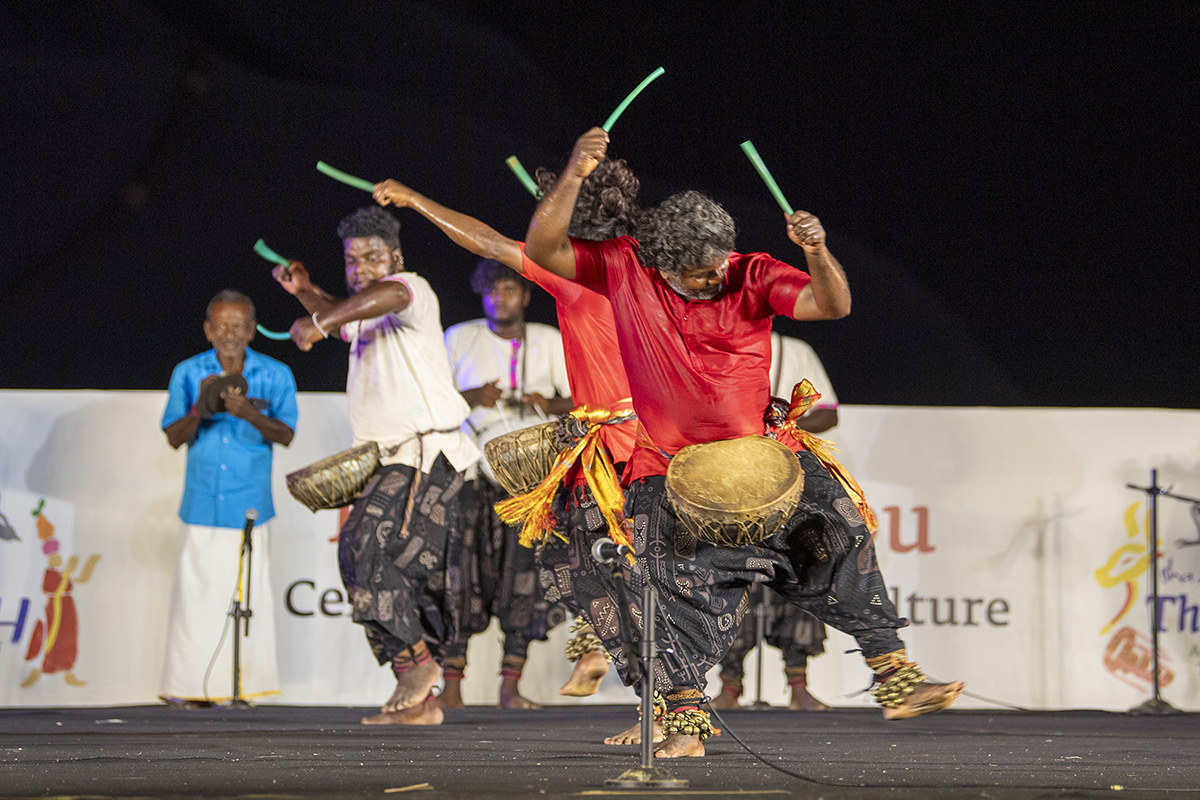
In the wake of the powerful Mahashivratri night, Tamil Thembu unfolded in the presence of Adiyogi as a splendid celebration of local culture. Over nine days, visitors immersed themselves in the multifaceted traditions and history of Tamil Nadu through cultural performances and diverse activities.
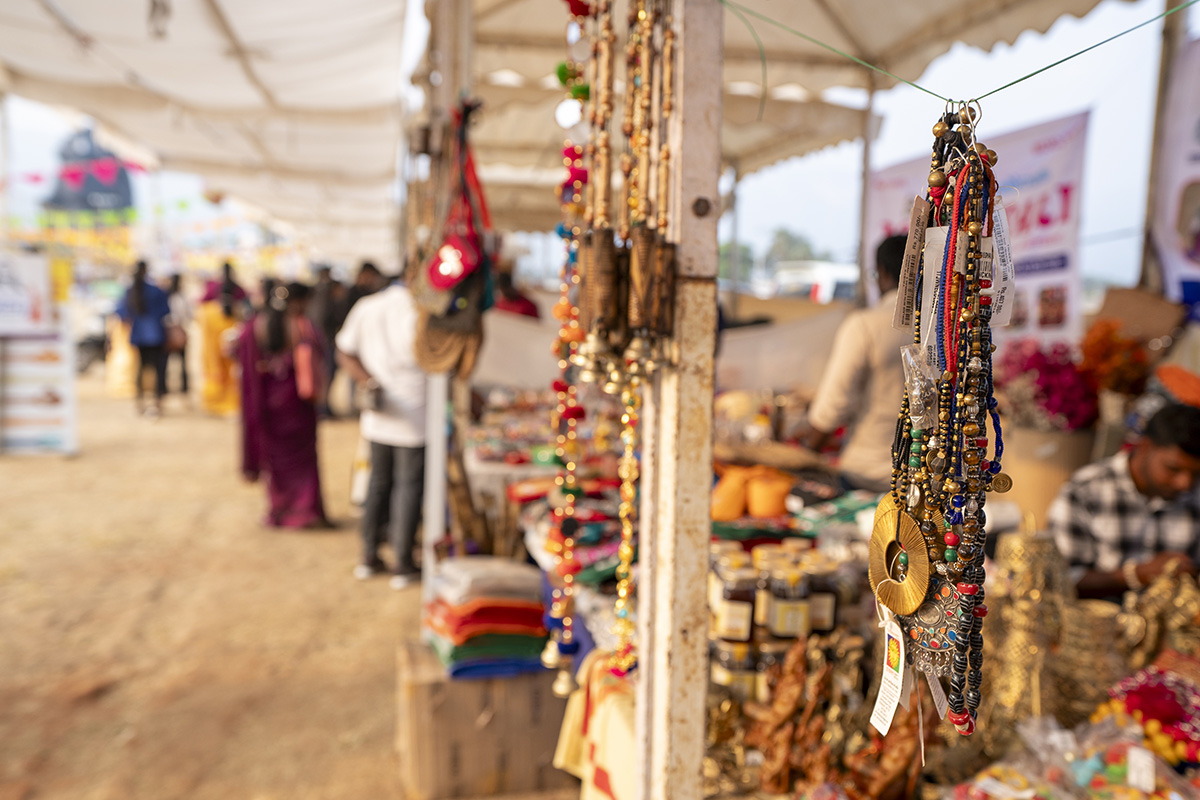

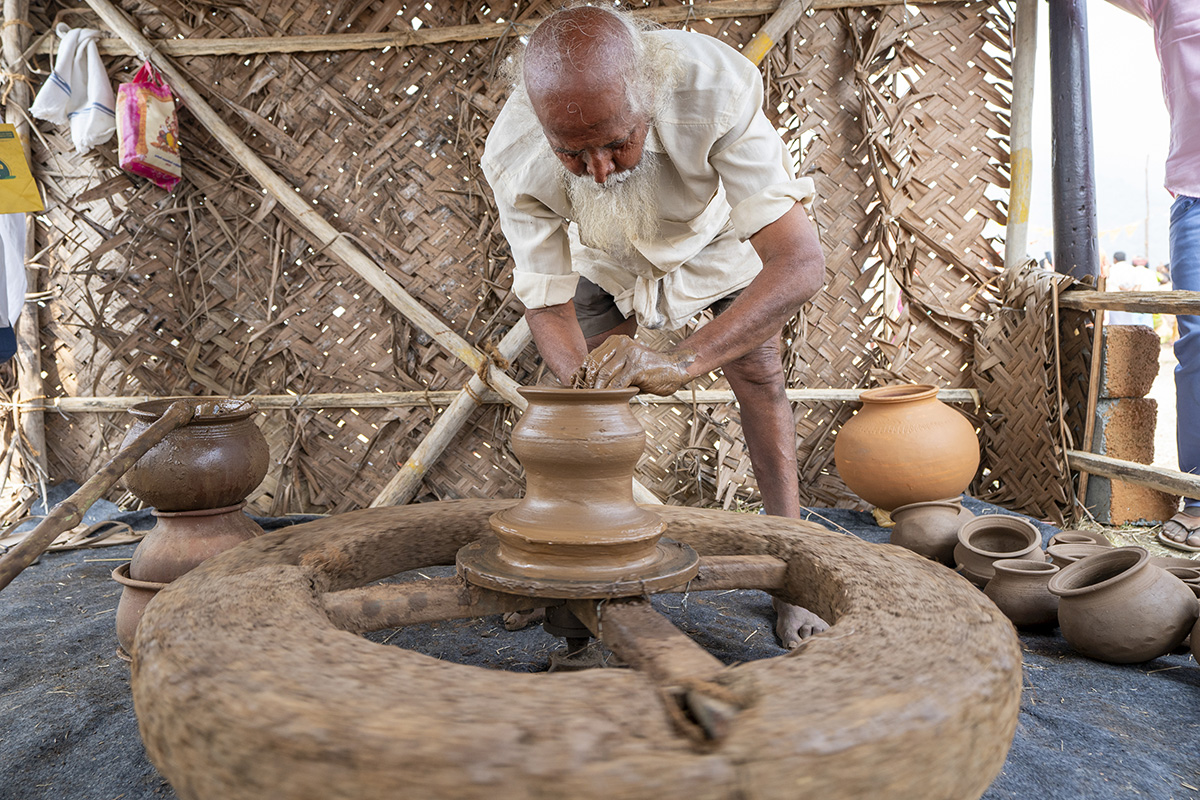
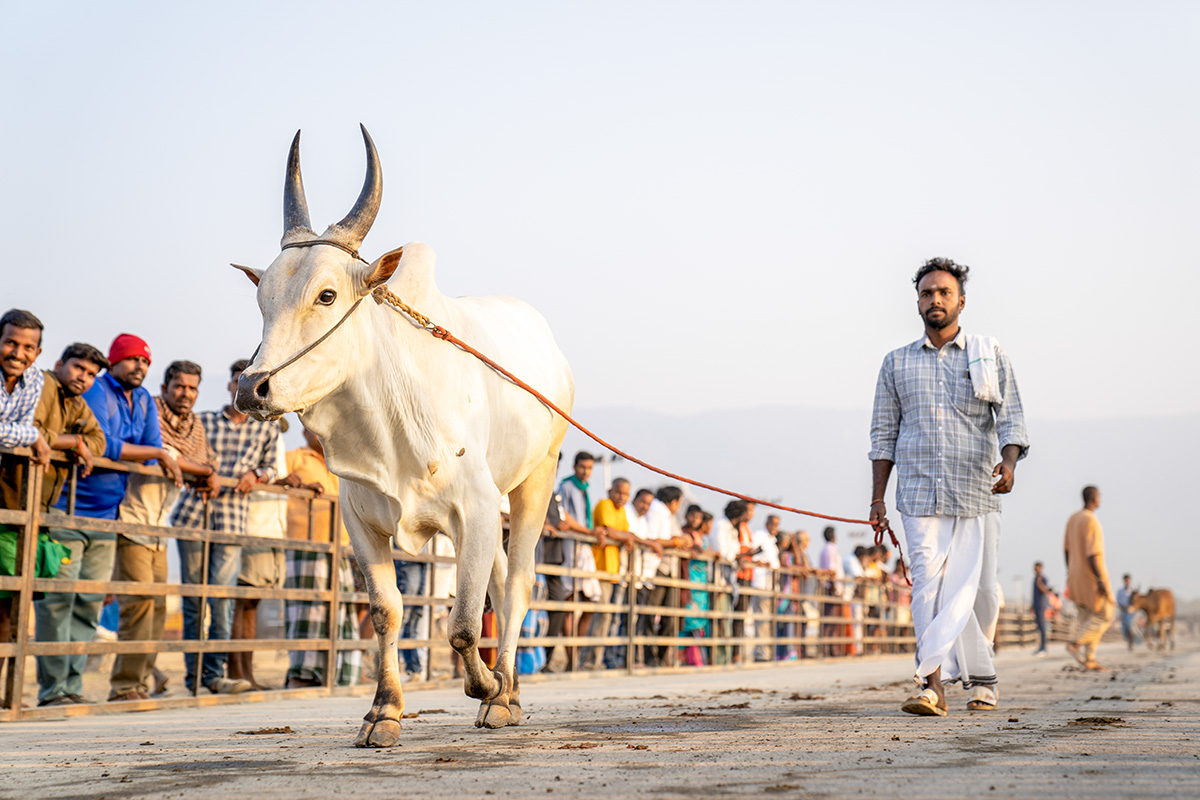
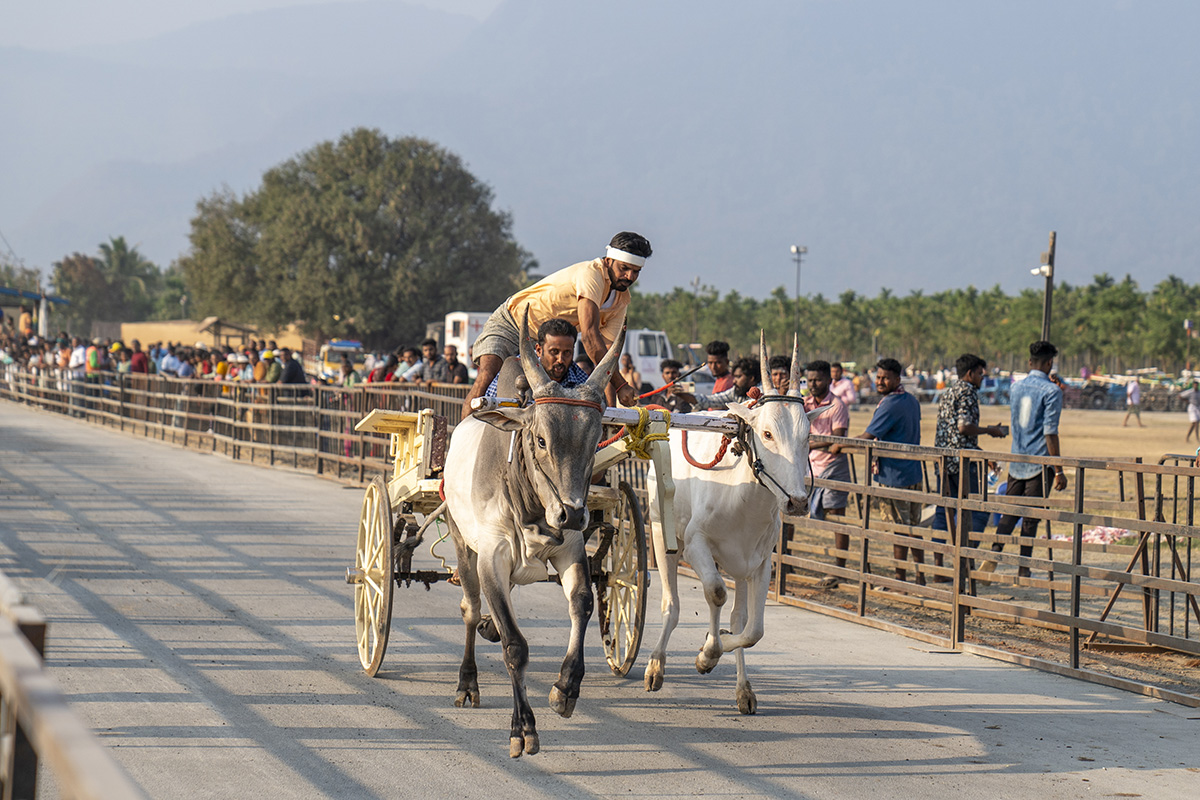
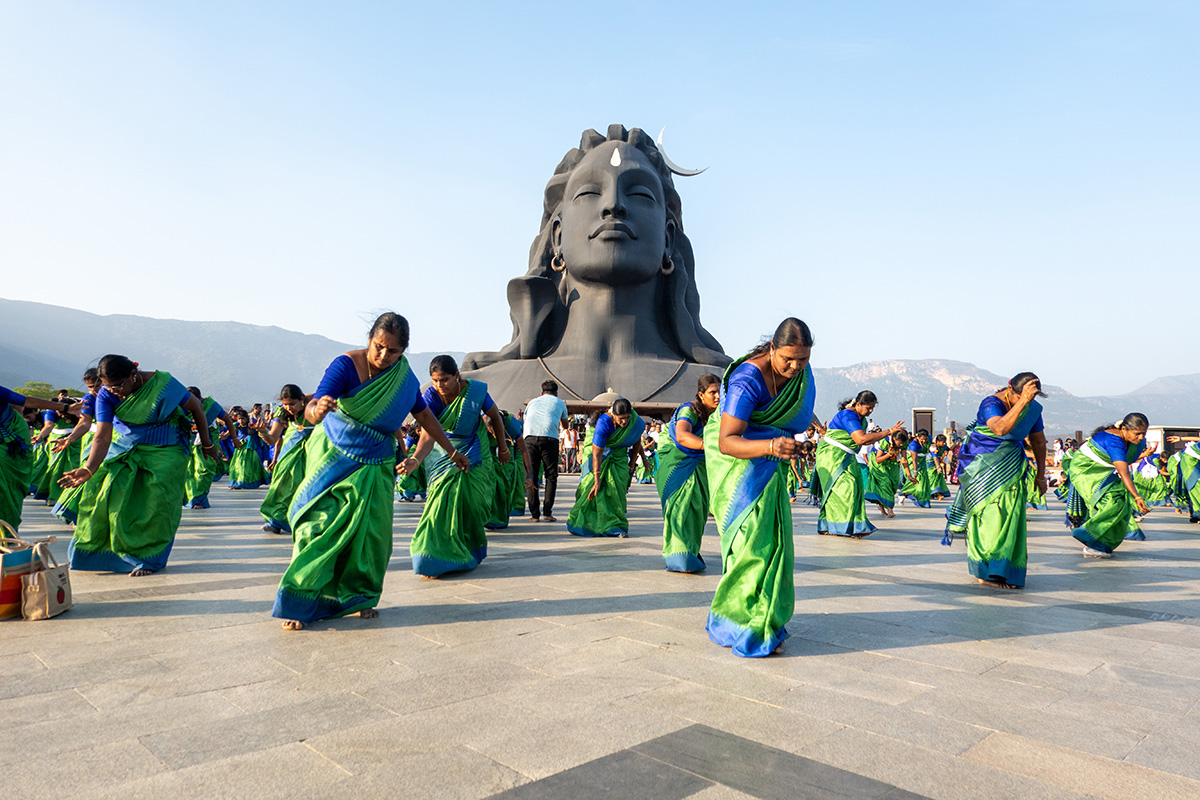
The festivities included thrilling fun rides, traditional food stalls with tantalizing local delicacies, and a display of native breed cattle.
Competitions such as the high-energy rekla race, a kolam contest displaying intricate patterns, and a silambam contest presenting martial art skills added excitement to the event.
The Tamil Thembu exhibition offered a visual journey through Tamil Nadu’s thousands of years of cultural pride, enhancing a sense of community among guests.

On the International Day of Action for Rivers, it was announced that the Cauvery Calling initiative – a scale-up built on two decades of field experience – has enabled the planting of 108 million living trees and transitioned 196,000 farmers to tree-based agriculture since 1998. Our deepest gratitude to the forest department of Karnataka for their support in making it happen.
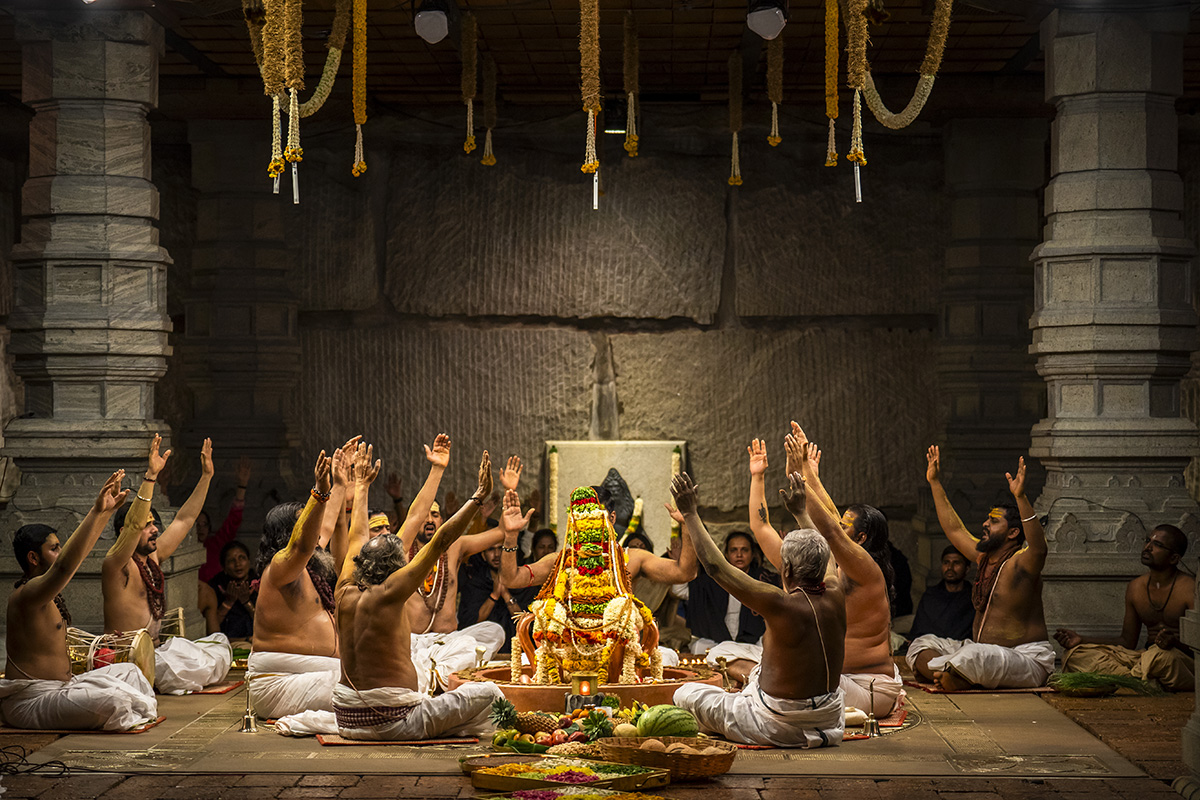
On 25 March, the Saptarishi Avahanam, an ancient and powerful process attributed to Shiva himself, was conducted at the Sadhguru Sannidhi in Bengaluru by seven priests from the Kashi Vishwanath Temple in Varanasi. Said to have been taught by Shiva to the seven sages known as the Saptarishis, this ritual is designed to invoke the grace and presence of Shiva. The authenticity and purity of the Saptarishi Avahanam have been meticulously preserved by the Kashi priests. Remarkably, the Isha Yoga Center in Coimbatore and the Sadhguru Sannidhi in Bengaluru are the only places beyond Kashi where this significant energy process is being offered, allowing devotees to experience this profound practice outside of its original setting in Varanasi.